3 May 2025
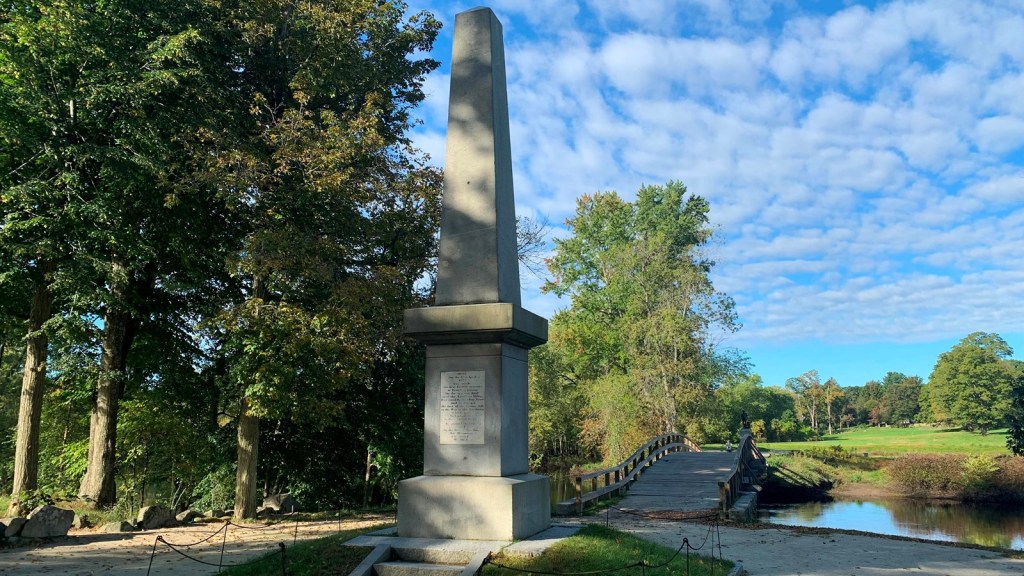
April may not be the cruelest month, but this one certainly has been crowded with incident. My neighbor Leo turned 7 on the 5th, David Letterman 78 on the 12th; my dad George would have been 103 on the 22nd, also my parents’ 78th anniversary. And some would reckon the U.S. turned 250 on 19 April 2025:
By the rude bridge that arched the flood,
Their flag to April’s breeze unfurled,
Here once the embattled farmers stood
And fired the shot heard round the world.
(“Concord Hymn,” Ralph Waldo Emerson)
As the Felon-in-Chief attempts to censor art he considers unpatriotic and obliterate any history he personally deems unworthy of celebrating our 250th anniversary, George Clooney’s gotten a Best Performance Tony nomination for his role in the Broadway production of his earlier film, Good Night and Good Luck, celebrating the victory of Edward R. Murrow over Joseph McCarthy during the Red Scare of the early 1950’s.
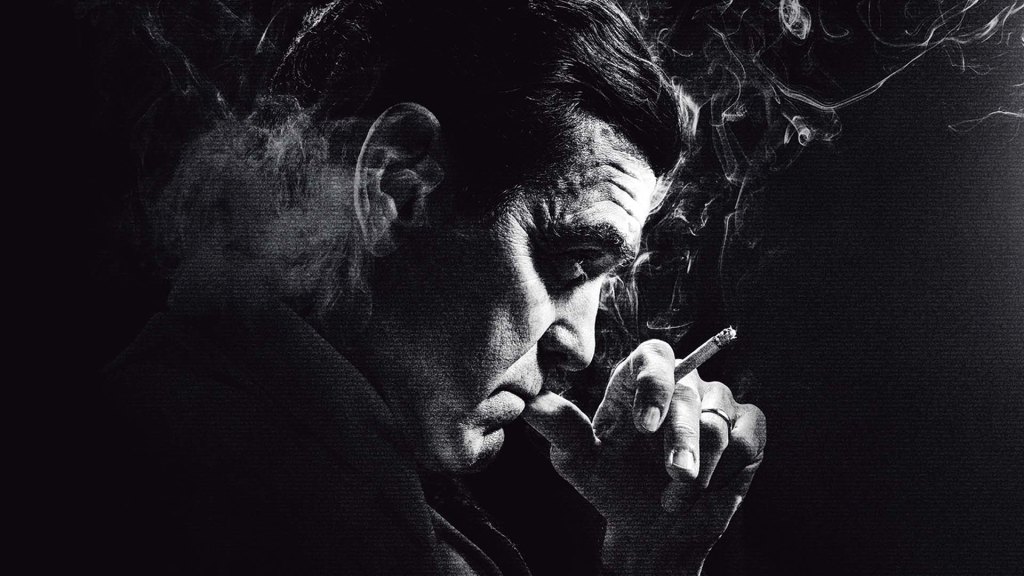
As Trump seeks to muzzle NPR and PBS and fire (notably lacking any authority to do so) members of the Corporation for Public Broadcasting, I’m tallying the ways in which the present rhymes with history: a lying would-be tyrant once again tries to extort institutions dedicated to truth, justice, and the American way, his offenses uncannily echoing those of George III, against whose troops those embattled farmers fired the shot heard round the world.
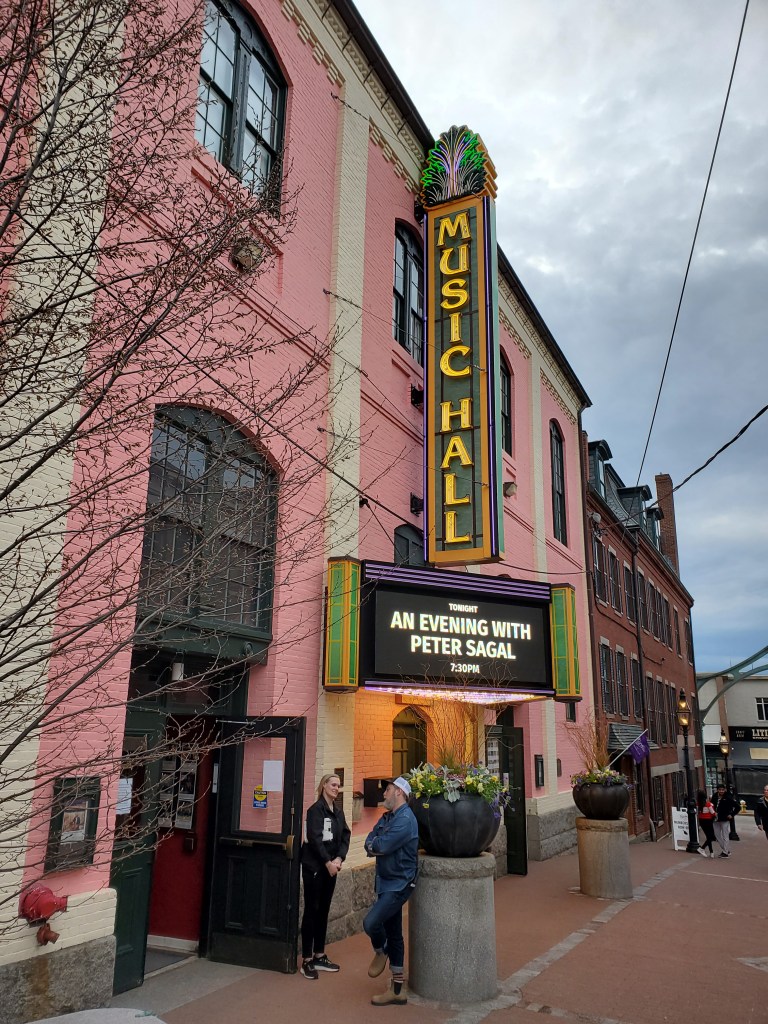
Ah, well. Having now flipped the calendar to May—my earliest daffodils are fading and the first hummingbird has arrived to sip at the feeder—I’m marveling at all this past month contained, a balancing act likely more heavy on diversion and self-care than the constant protest and resistance called for by even the likes of David Brooks. Peter Sagal, comic host of NPR’s news quiz Wait Wait Don’t Tell Me seized his bully pulpit at Portsmouth’s Music Hall on 18 April to spend a moving and educational hour speaking of our extraordinary Constitution before taking some questions about the show’s funny business, proving once again the seriousness underpinning all comedy.
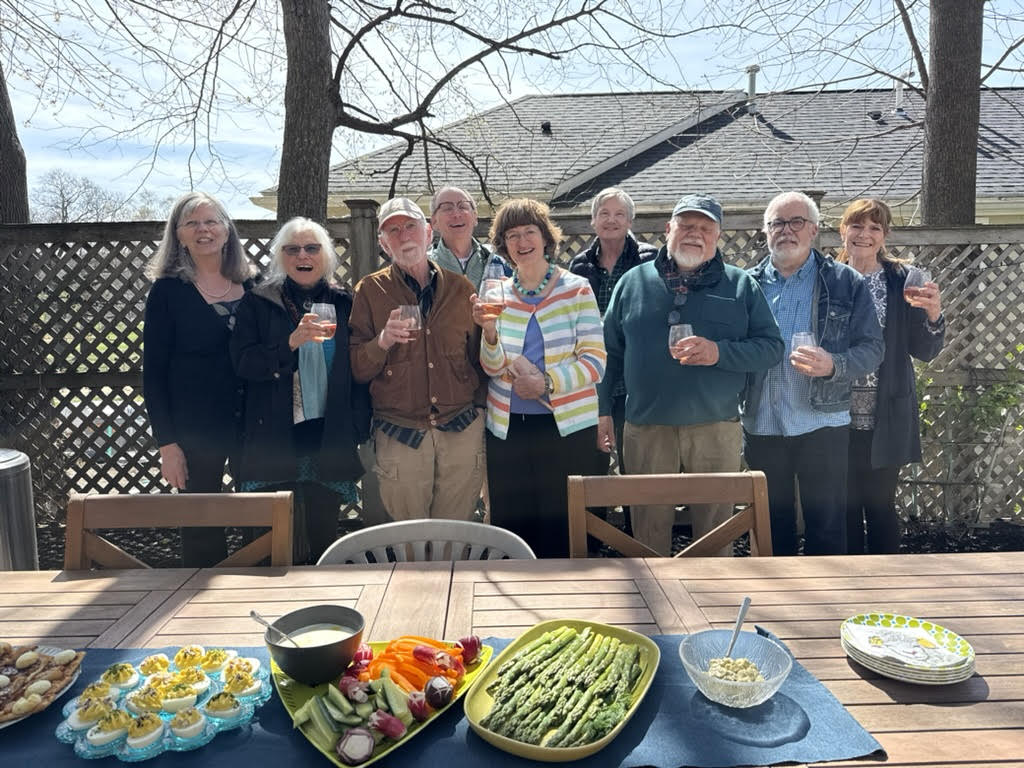
But there was much to spark joy in his talk and throughout the month: gatherings with precious friends and immersion in music and theatre reminding one of what the species at its best can do.
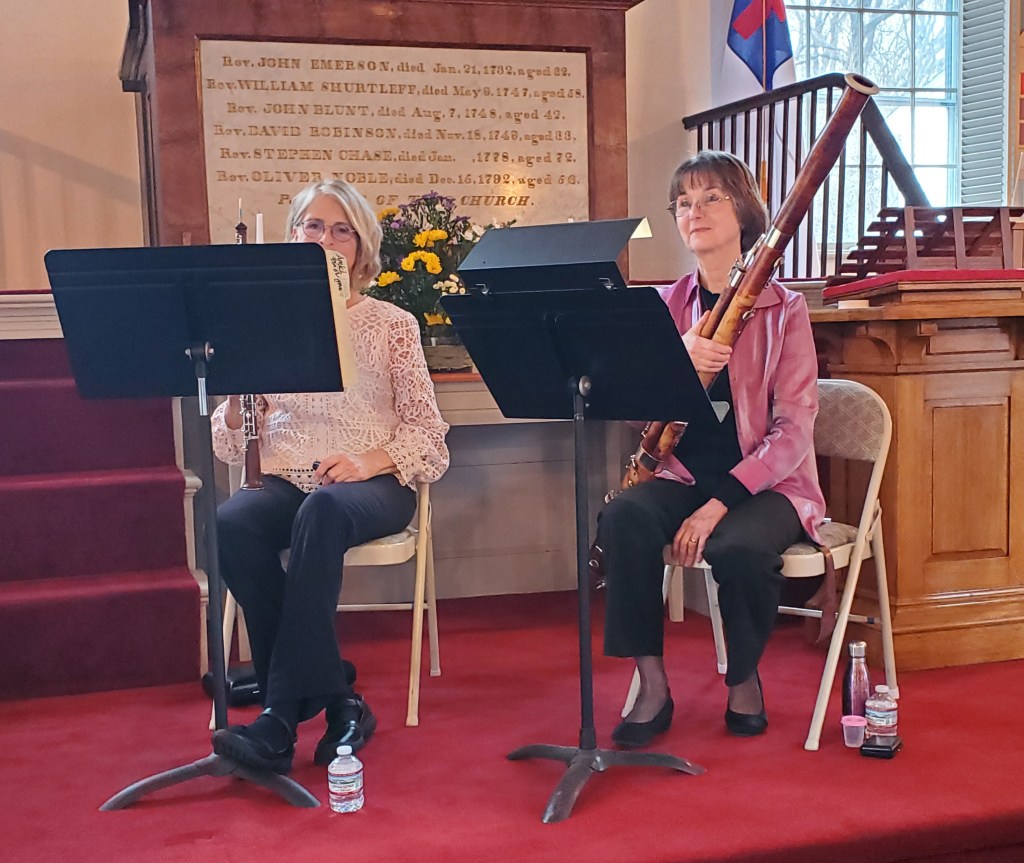
Amici Music performed music completely new to me at the handsome Federal-style New Castle Congregational Church on 12 April: Margaret Herlehy on oboe, Janet Polk on bassoon, and Daniel Weiser on piano introduced me to Lalliet, Clémence de Grandval, the delightful Paul Carr, and a Poulenc trio.
Also new on 19 April was the latest Portland Stage production written by John Cariani—so new, in fact, that the playwright on-the-spot changed the play’s title from that printed on the program: Not Quite Almost, or Almost Almost, Maine became The Darker the Night, the Brighter the Stars (good call, John). This charming four-hander with four young actors playing multiple roles and some gorgeous light design that included shooting stars and the Northern Lights was a boon in these dark days of the Republic. Then came world-class performances by the Handel and Haydn Society at St. John’s Episcopal Church in Portsmouth (Alexander Parris, 1807—the first brick church in New Hampshire): Purcell, Vivaldi, Bach, and Handel.
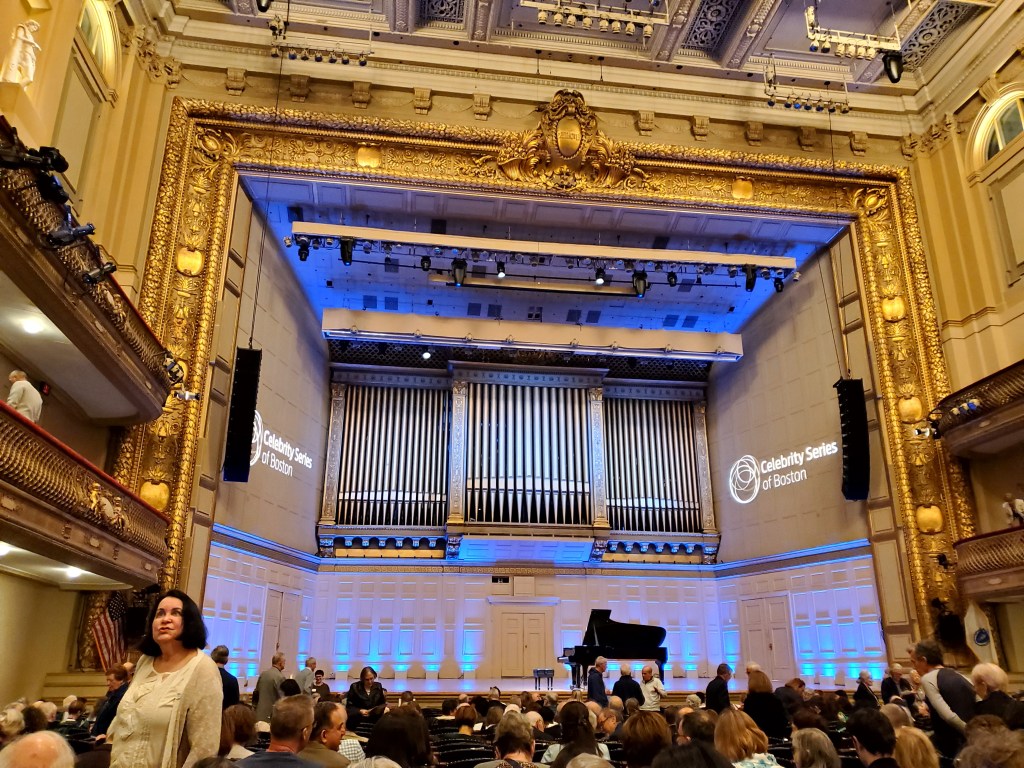
And finally, a return to Symphony Hall with friends David, Susan, and Vicky (and lots of appreciative Russians) to hear the uncannily gifted pianist Evgeny Kissin once again play an extraordinary concert: a Bach Partita, Chopin Nocturnes and Scherzo, Shostakovich’s Piano Sonata No. 2 and selected Preludes and Fugues and—as if that was insufficient, three substantial encores.
And there were readings and discussions of Twelfth Night at both the Portsmouth Public Library and Portsmouth’s Carey Cottage (designed in 1887 by Alexander Wadsworth Longfellow for Arthur Astor Carey) to celebrate Shakespeare’s 461st birthday on 23 April.
And the Madbury Public Library Book Club had a lively discussion of Kaveh Akbar’s 2024 novel Martyr!, a novel built of multiple perspectives, a “choreography of etiquette” juxtaposing Iranian-ness and Midwestern-ness, thanatos and art, humor and profundity. A paean to art that finally acknowledges its limitations, Akbar’s first novel is a fascinating read that taught me a couple new terms: the Overton Window, the range of subjects and arguments politically acceptable to the mainstream audience at a particular time, and “sonder,” the realization that each random passerby is living a life as vivid and complex as your own.
I guess it’s the sonder that I’ve been most thinking about of late as I continue the humiliation management required of the aging. For example, I spent a panicky 15-or-so minutes yesterday looking for the discharge chute of my electric mower after using it, I feared, without the chute during the first mowing of the season (OMG! Did I leave it at that place in Pembroke last fall when I had it serviced for winter storage?), only to finally realize I couldn’t find it because it was on the mower all along. Happily, others of a certain age selflessly report similar absurdities: putting on mis-matched socks, donning t-shirts inside out, or pulling off slacks at night, and then pulling them on next morning, only to discover the previous day’s underwear around one’s ankles.
But age has its compensations, especially when sharing experience. My husband David was very good at making even the most routine exchange memorable, and, trying to emulate his talent, a few weeks back I noticed my Market Basket checkout clerk’s name tag, Sylvia, and greeted her with “Who is Sylvia? What is she?” Little did I expect her to know the lyric from Two Gentlemen of Verona, even less for her to respond by singing the next few lines set by Schubert! When I exclaimed a compliment, Sylvia replied that she was raised in England, had learned that song in school, and now at age 88 (88!) was herself amazed to find she remembered it still, having not thought of it for at least 75 years.
That’s a glimmer that keeps on glimmering: with thanks to Sylvia, Schubert, and Shakespeare, all united at the Lee Circle Market Basket.
Onward, to pastures new.


 Georgeann Murphy
Leave a reply to georgeannmurphy Cancel reply