4 July 2024

On Saturday, 15 June, Durham NH celebrated—six months early—the sestercentennial (aka 250th anniversary) of some doughty Durham residents’ 1774 raid on the British Fort William and Mary in New Castle, enacting there at the mouth of the Piscataqua River the first major act of colonial rebellion that took place four months before the more famous “shot heard ‘round the world,” the opening volley of the Battles of Lexington and Concord fired on 19 April 1775.
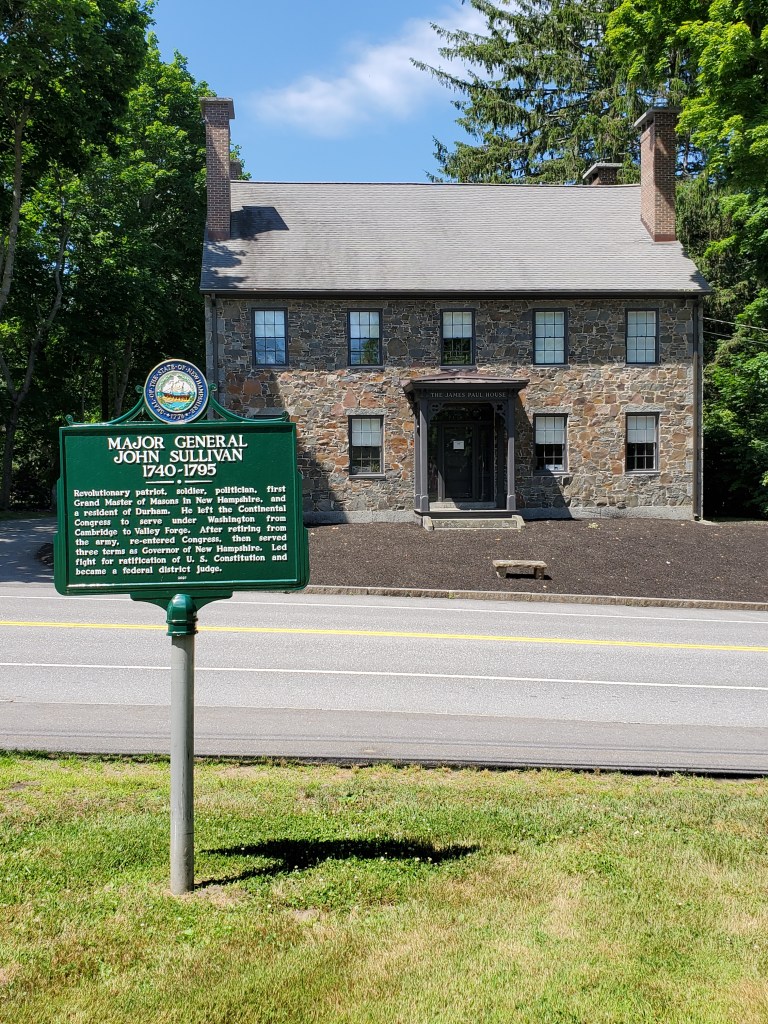
Everett Schermerhorn Stackpole’s History of the Town of Durham, New Hampshire (Oyster River Plantation), published in 1913, offers the backstory. On 12-13 December, 1774, Paul Revere road 66 miles from Boston to Portsmouth with an urgent message: the British were sending two warships, including Marines, to the sparsely defended British Fort William and Mary on the edge of Portsmouth Harbor. Durham resident General John Sullivan received instructions to bring the militia to Portsmouth.
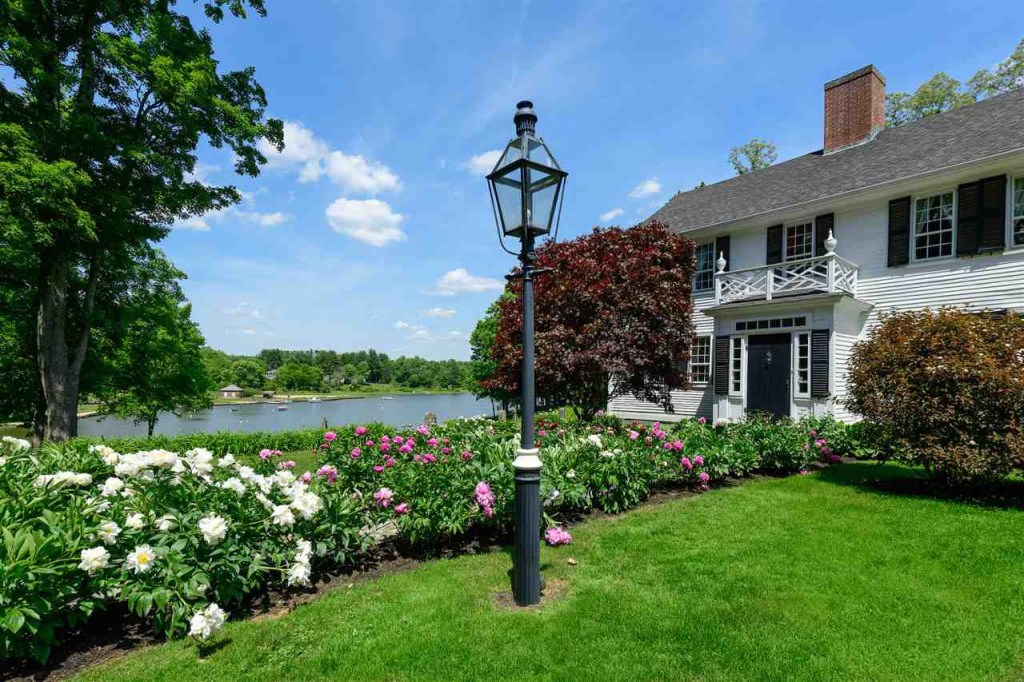
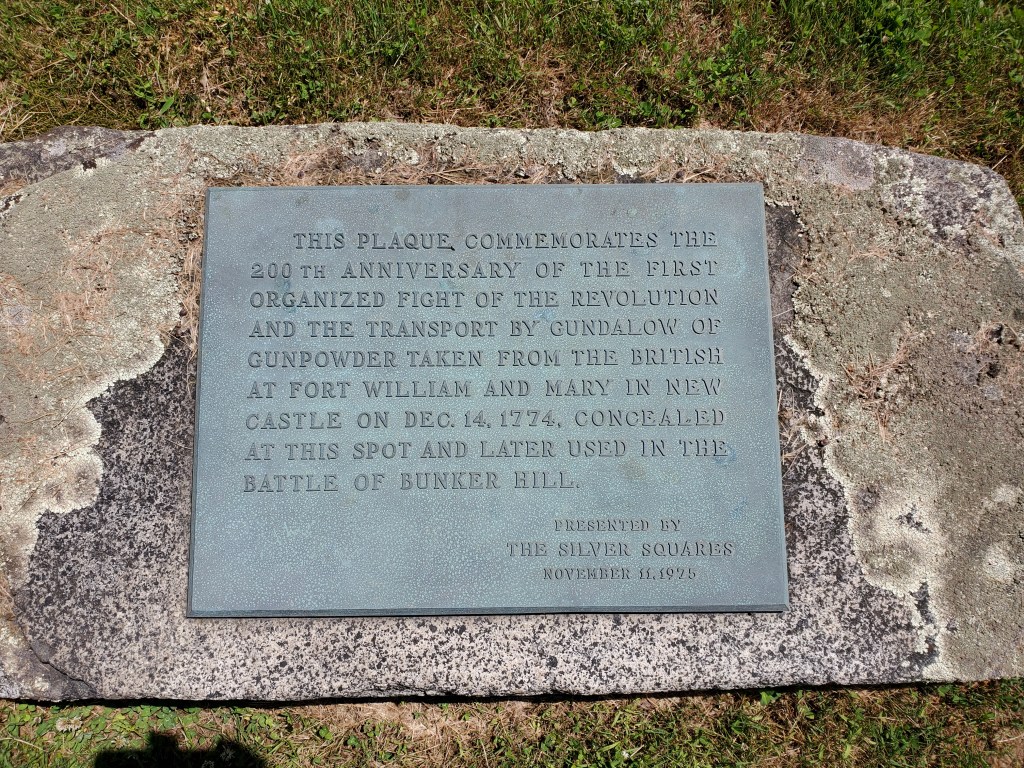
The ensuing assault and raid of 14-15 December 1774 (the second day of which was led by General Sullivan) was arguably the first military action of the American Revolutionary War; shots were fired, and the 400-strong seacoast townspeople “struck the King’s colors,” pulling down the flag flying over the fort. On the first day, they took the province’s 100 barrels of black powder to safety in towns along the Great Bay. On the second day, with help from the Durham militia, they carted off the King’s muskets, cannons, and supplies. Much of the black powder was later used to replenish the colonials after the battle of Breed’s Hill, misnamed Bunker Hill.
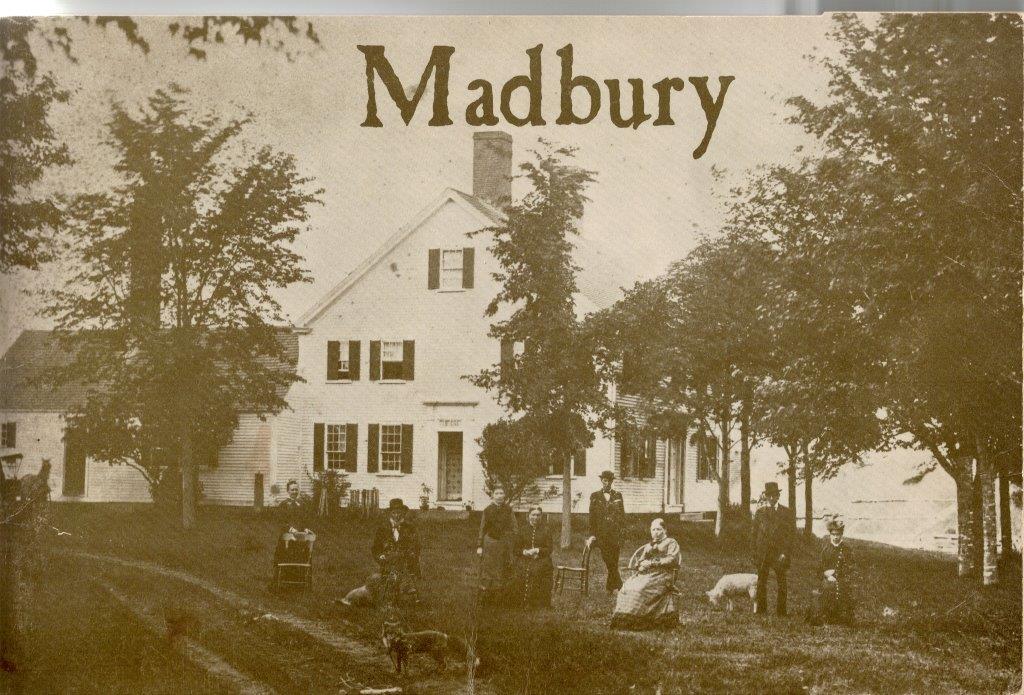
Some of that powder was stored in the barn of John “Powder Major” DeMerritt’s 1723 farmhouse in Madbury, just up Town Hall road from my home, and DeMerritt, who had participated in the daring raid on Fort William and Mary in December 1774, later smuggled 13 of the 97 barrels that were seized to Charlestown MA for use at the Battle of Bunker Hill. Arriving in his ox cart in mid-afternoon of 17 June, 1775, DeMerritt’s supply helped end the danger of a rout and enabled the rebels to hold out until darkness ended the slaughter.

Durham’s 2024 celebration boasted a perfect June day at Gen. Sullivan’s house at the falls of the Oyster River, well-informed and costumed reenactors, and a lovely chance to socialize with townsfolk. What was at stake then in 1774 has since been much on my mind in the wake of last Thursday night’s debate debacle and SCOTUS’s subsequently yet again upending settled law in the Chevron deference case, and even more alarmingly reinforcing the immunity and therefore the power of a single presidential executive, undercutting precisely what those colonial rebels we celebrated last June sacrificed their lives to avoid: the unmitigated authority of a king.
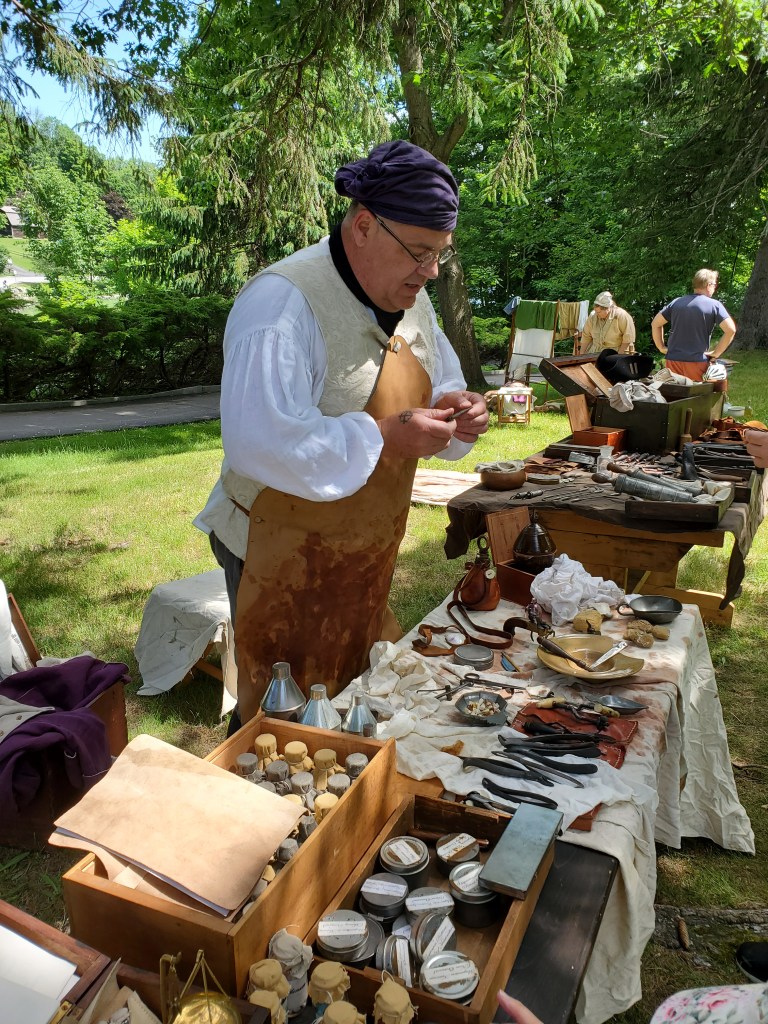
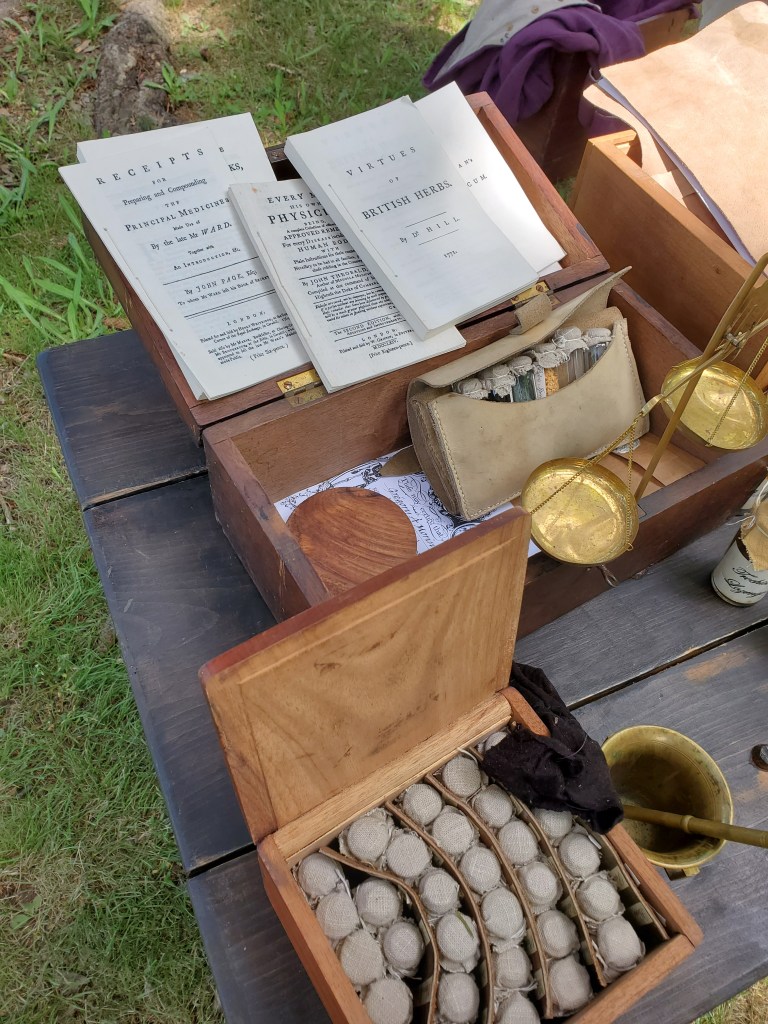
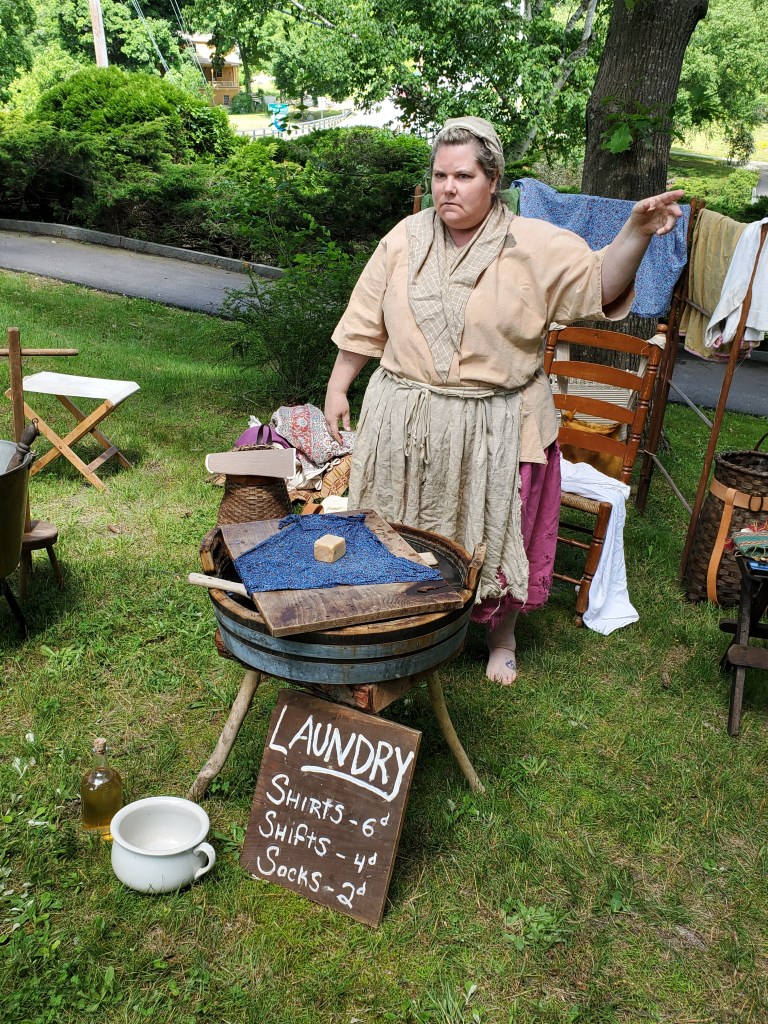
All this past week such threats to our republic have depressed and discouraged as I negotiate the much less important but more dauntingly personal conundrums in the privileged life of this septuagenarian. But among friends last night in Portsmouth watching an impressive fireworks display over the Mill Pond and again this afternoon at my wonderful neighbors’ happy gathering of younger friends, things seem a lot less dire.
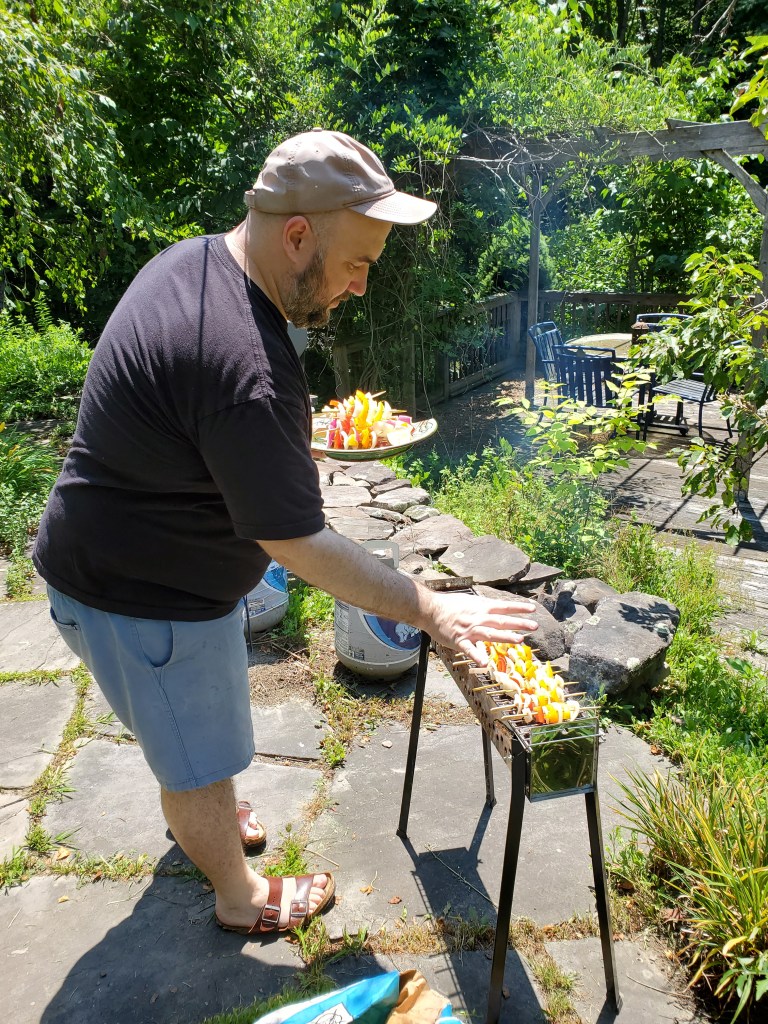
So, Happy Birthday, America, and thanks for all the grace you’ve shed on me. Here’s to a new birth of freedom in 2024, preserving what so many gone before have honored and defended. Can we keep our republic? Yes, we can!


 Georgeann Murphy
Leave a reply to Comcast Cancel reply