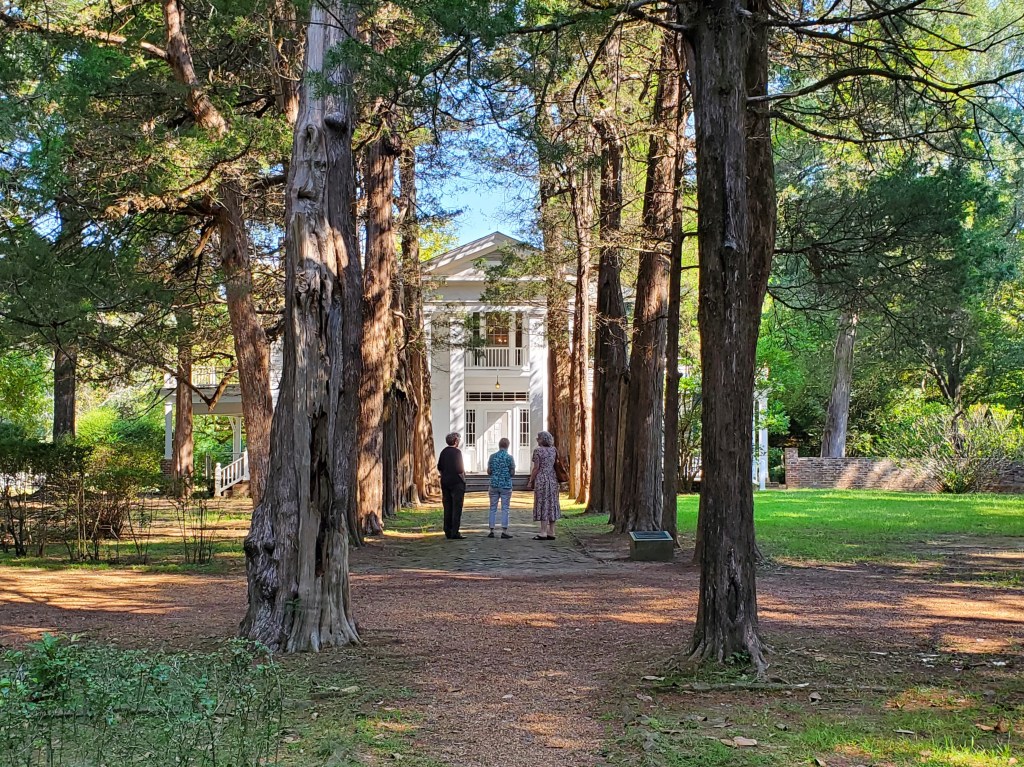
My long mid-September weekend in Mississippi meant catching up with both friends of my youth and middle age in two charming and completely different houses, a tonic reminder of southern hospitality seasoned with hilarity, immersion in a way of being ever so far removed from my adopted home of New England, and the formal end of the second Elizabethan era as Queen Elizabeth II was laid to rest.
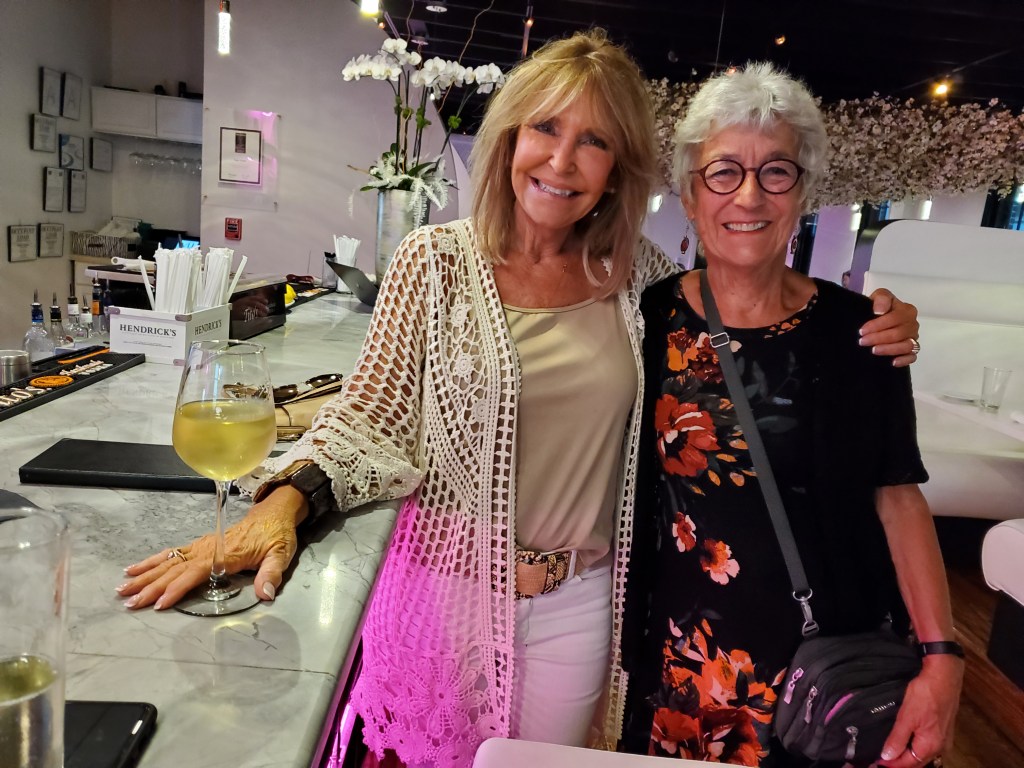
For the second time in as many years, we four members of Women Against Dissertation, triumphant survivors of Tulane’s doctoral program in English (now happily joined by one spouse) reunited, ostensibly to help one member avoid a high school class reunion, but really just to check in and enjoy each other’s company. The eight years we spent together in New Orleans beginning in 1976 was a critical time of negotiating classes and potentially career-ending exams, a bizarre cast of faculty, learning to teach, and moving through our late twenties into professional lives. We all succeeded, against all odds landing good jobs in New Orleans, Youngstown, Albany, and Danville, Kentucky, where each earned tenure and promotions. But once scattered by staggered graduations, we carried on careers and lives at least in my case largely separated by distance in place and time. Re-connecting this year, more-or-less post COVID isolation, for me meant rediscovering just how close we had been–including the astonishing number of intimate details my friends recall–and getting to know each other once more.
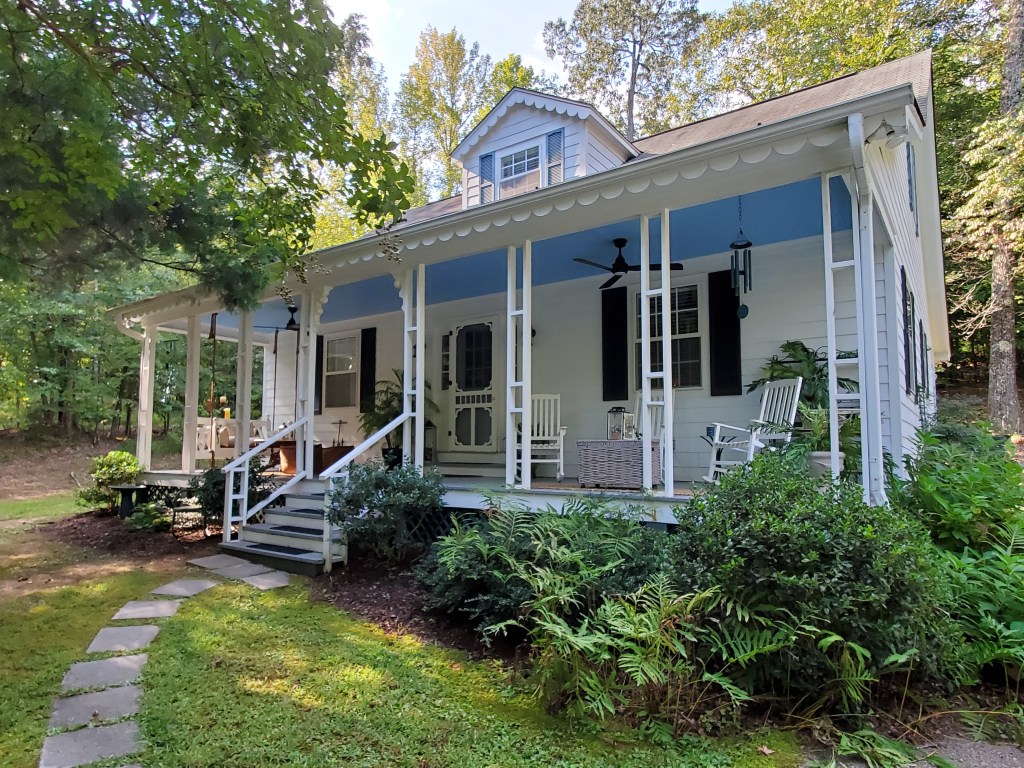
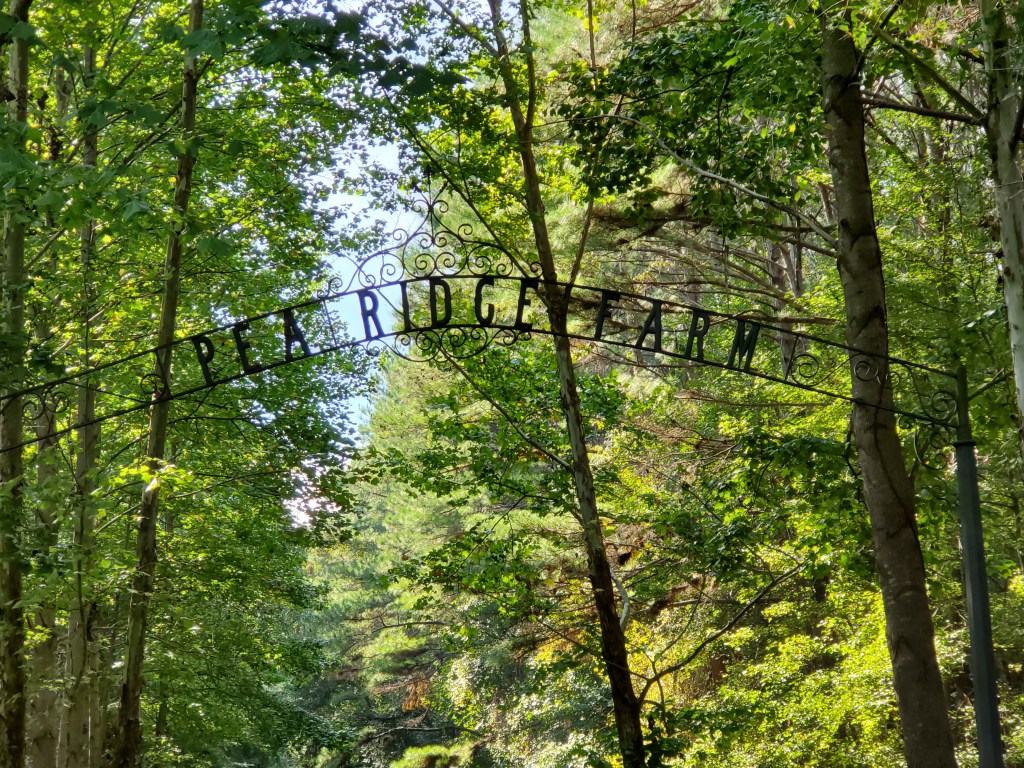
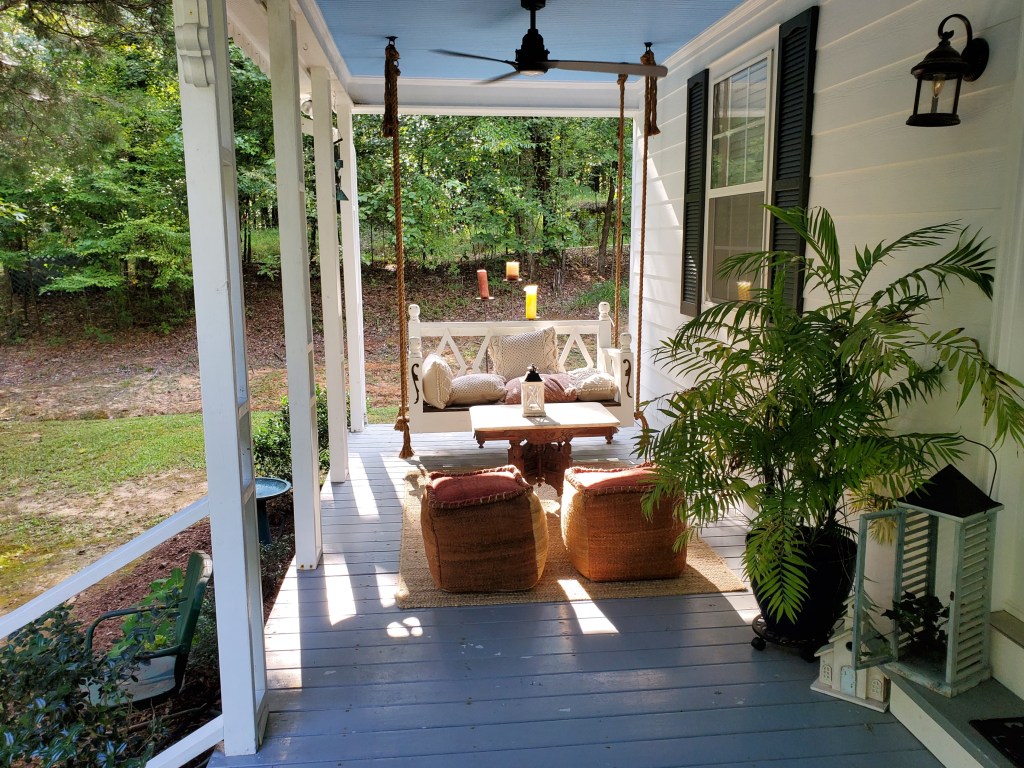
Our host, Oxford native Debra, beautifully organized all the logistics, including providing limo service to and from Memphis, the closest airport for the two of us who had to fly in, and arranging with her little sister Cindy–a warm, ebullient, strong, hilarious steel magnolia if ever there was one–for our use of the charming cottage she keeps as a rental property on Pea Ridge Farm, family land close to the handsome retrofitted cabin where Debra lives.
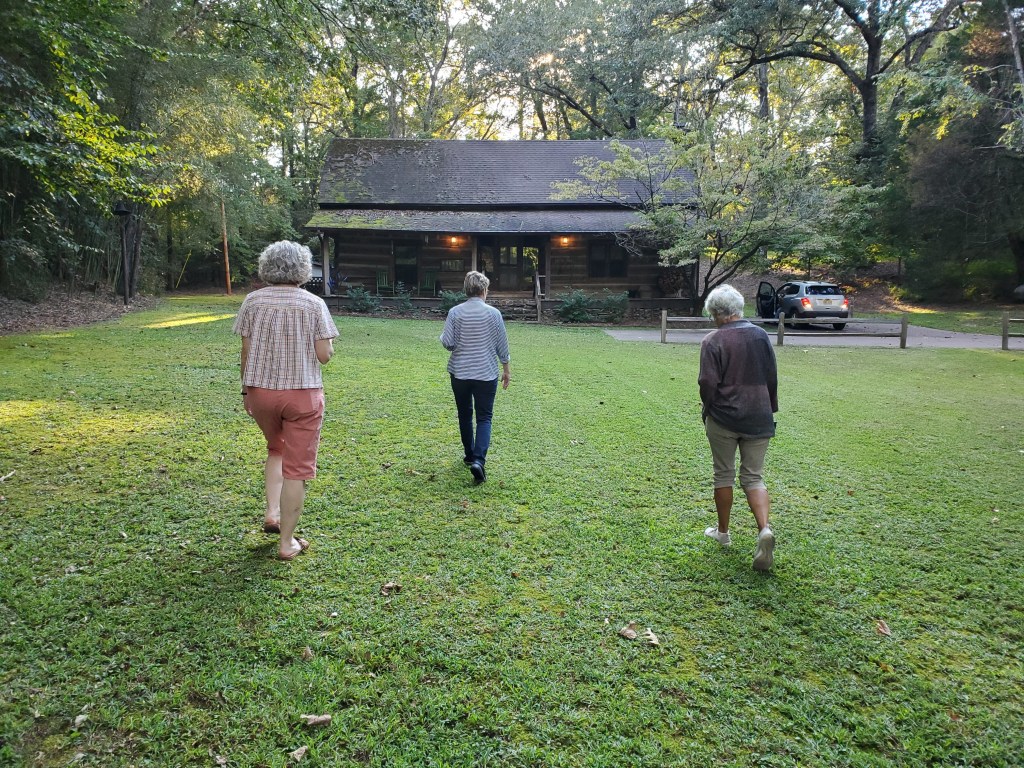
Cindy welcomed us all to Belle Glen by warmly embracing us as family, and Debra’s older sister Leslie later treated us all to lavish appetizers on our one fancy night out at Oxford’s upscale ironically named Snack Bar.
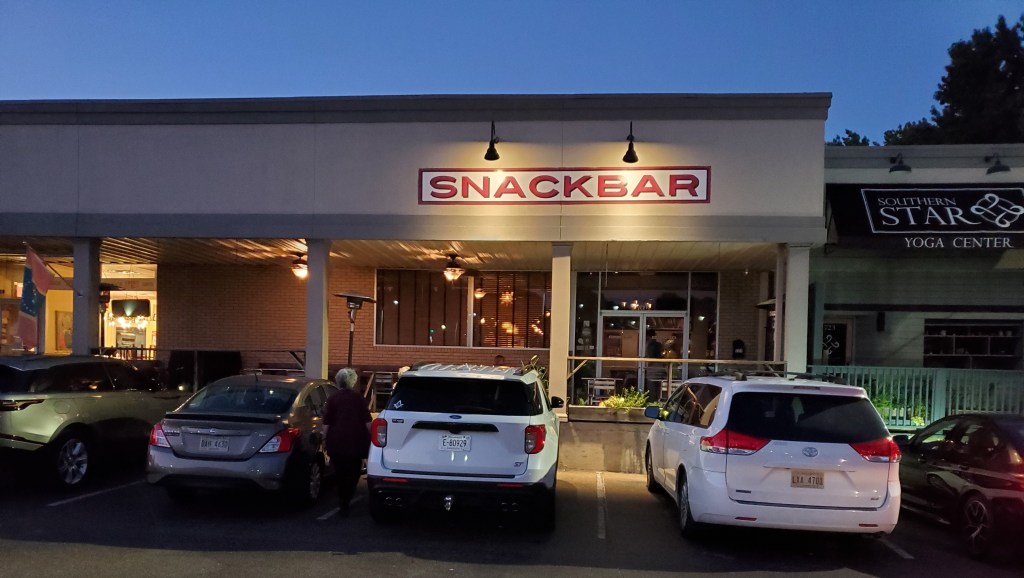
Over the course of our four days’ reunion, I also got to meet up briefly with a former UNH colleague, novelist Margaret-Love Denman; after a Sunday lunch at OPA!, a Greek restaurant off Oxford’s main square, we sat and rocked on Belle Glen’s porch and caught up on mutual life tragedies, leaving me pondering the stratified connections and departures made over the course of one’s life.
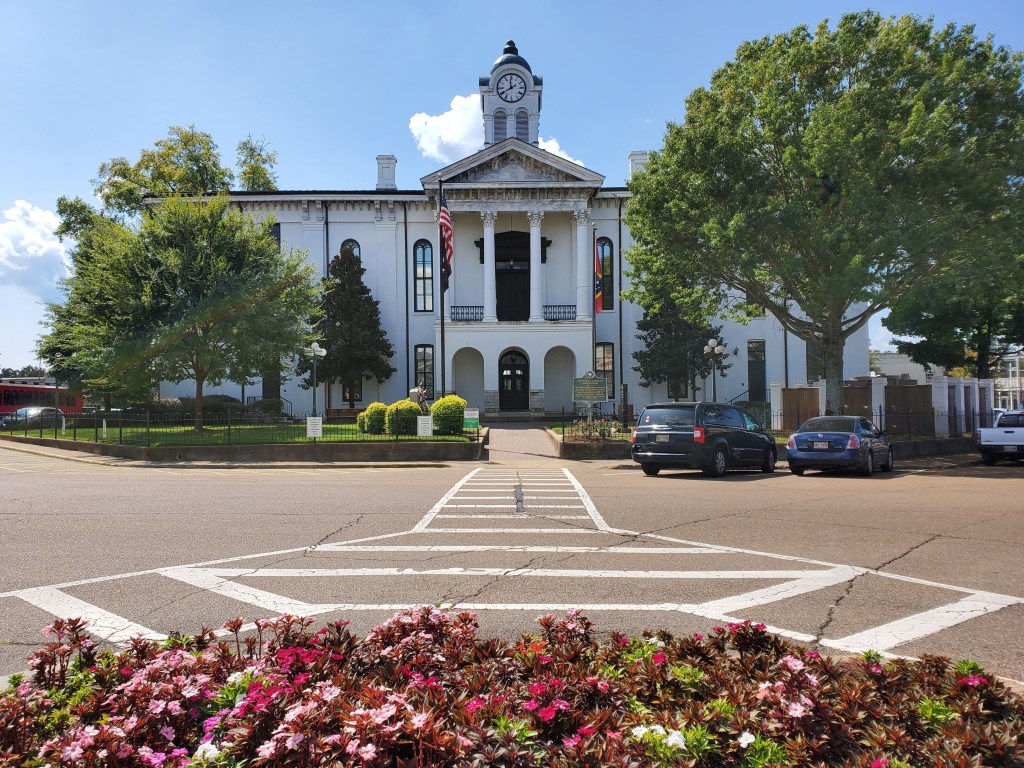
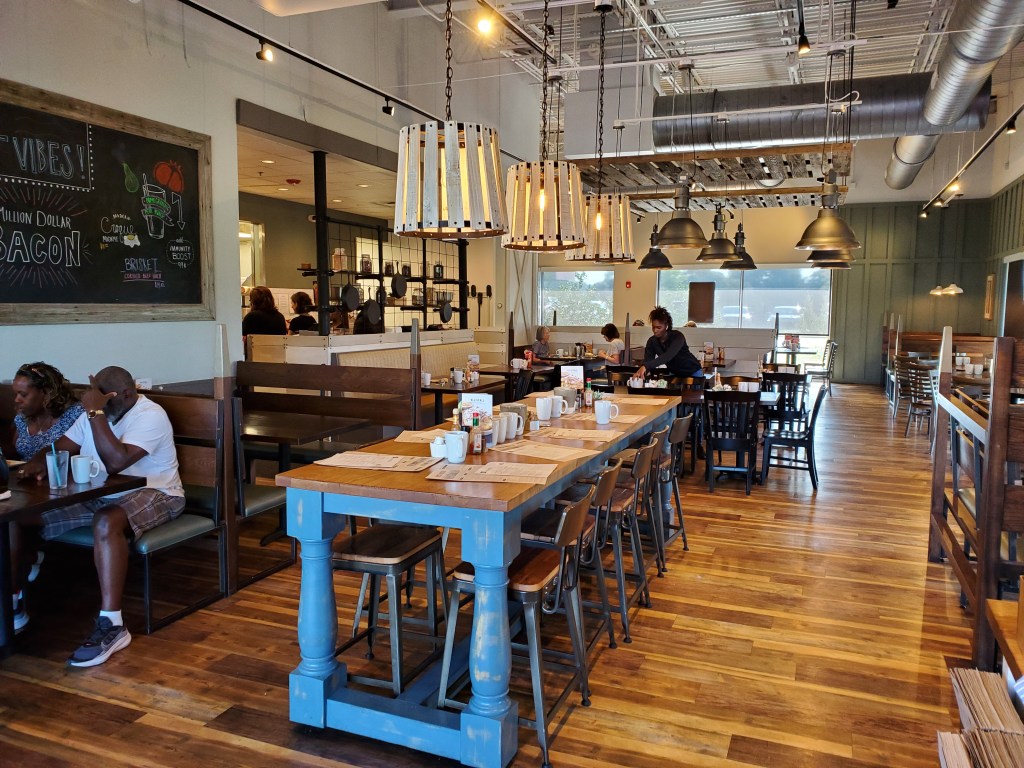
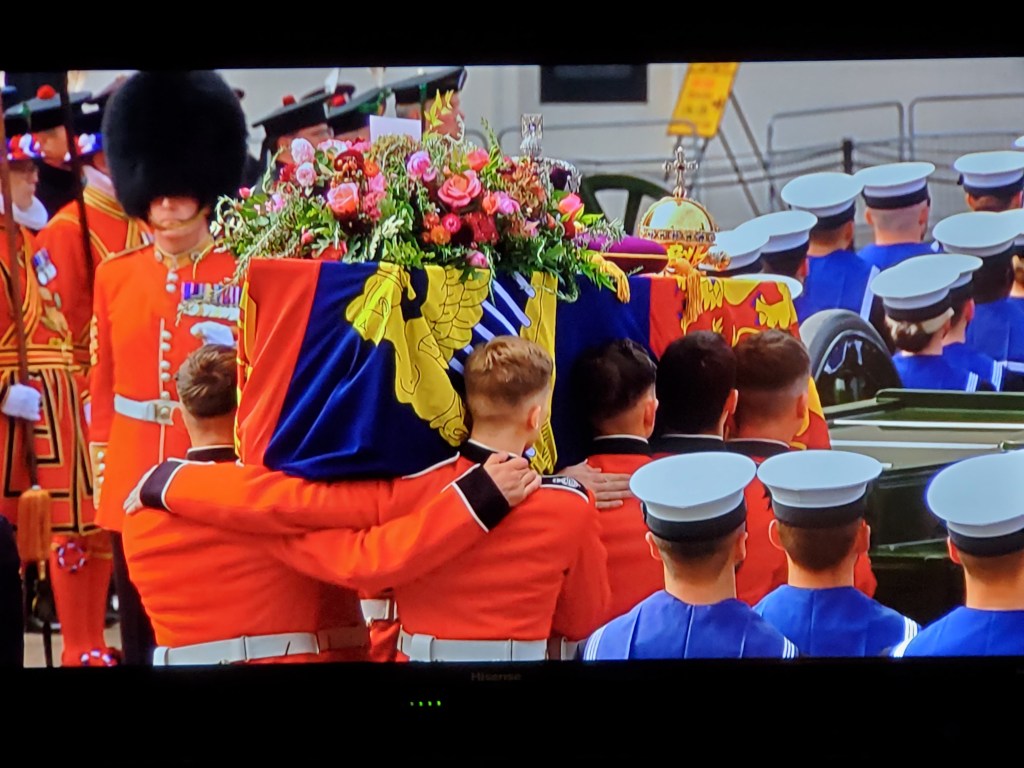
Our last morning together, before an Oxford breakfast at First Watch with two other New Orleans friends who happened to be visiting in nearby Water Valley, a quaint and artsy/funky town 25 miles from Oxford, we were absorbed by Queen Elizabeth’s funeral cortege broadcast on the big digital screen at Belle Glen. We were, after all, all English majors, lifelong students and scholars of early English lit, all acknowledging that no one does pageantry as well as the Brits–and all, I think, feeling the end of an era as we prepared to go our separate ways once more.
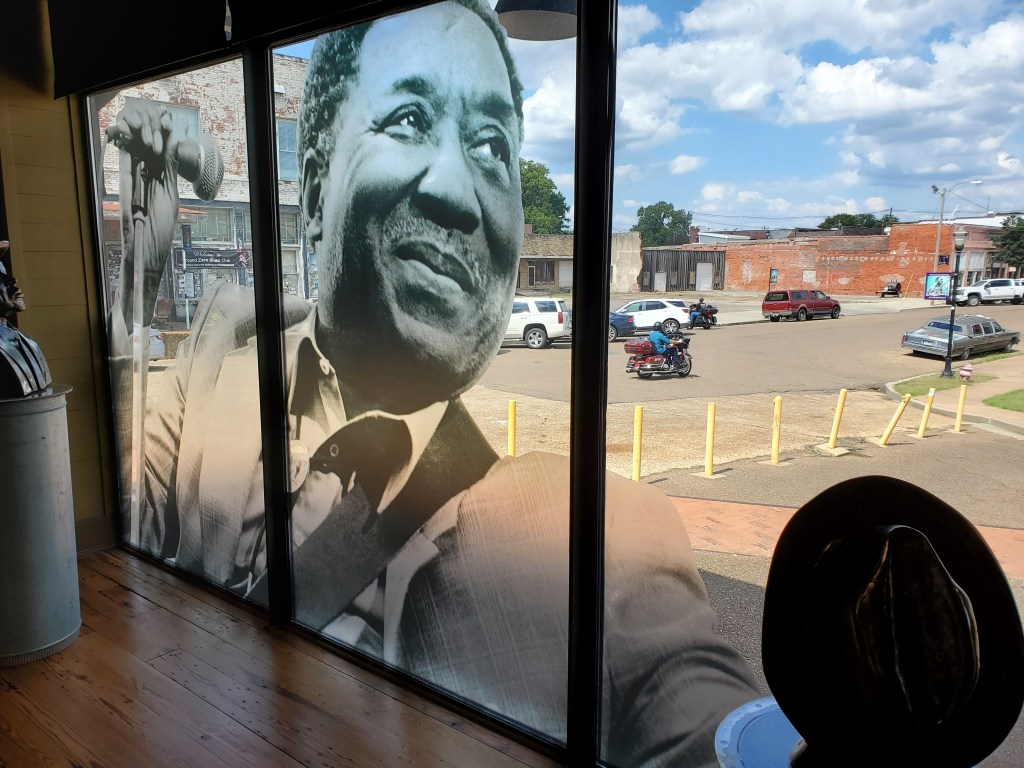
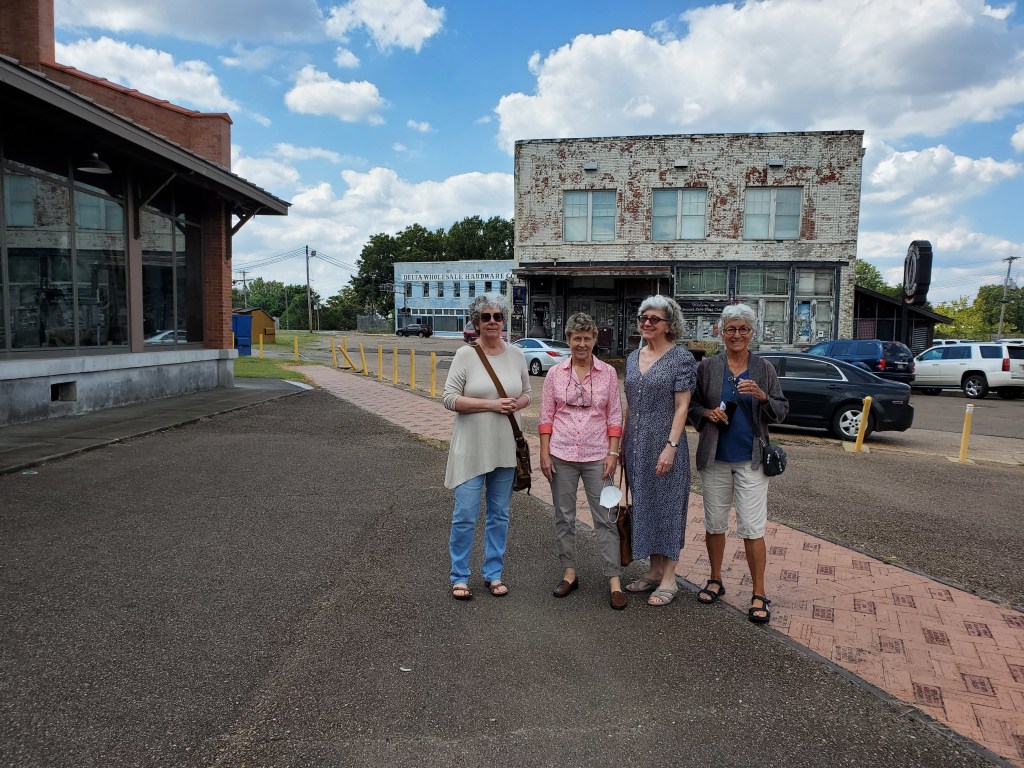
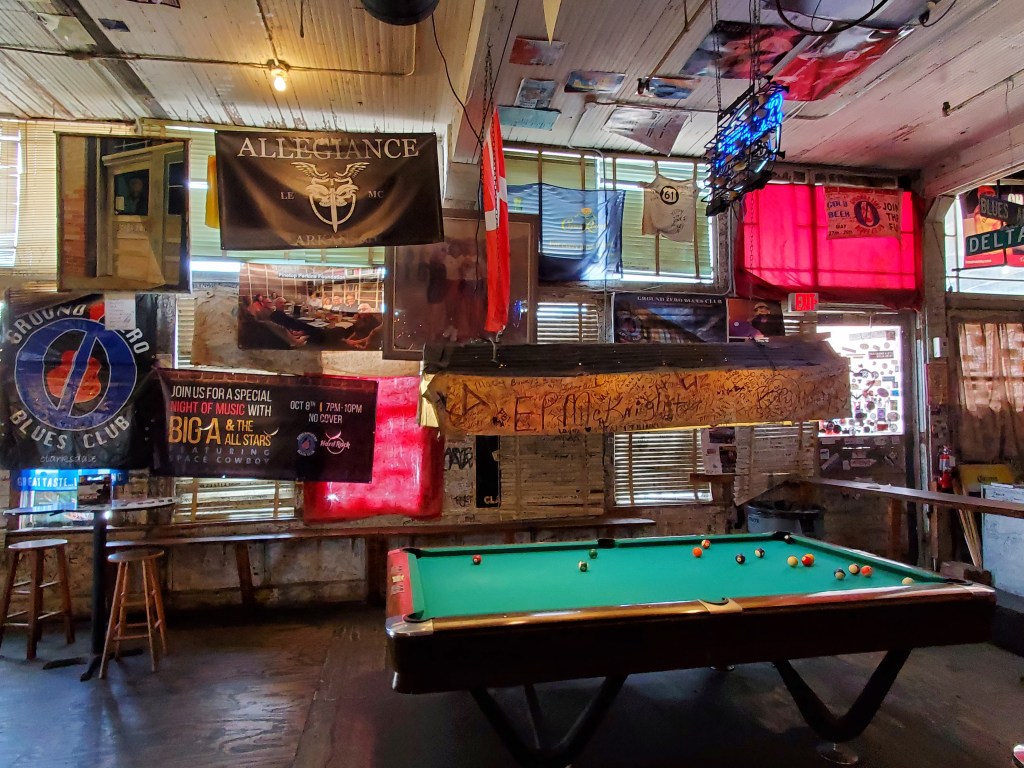
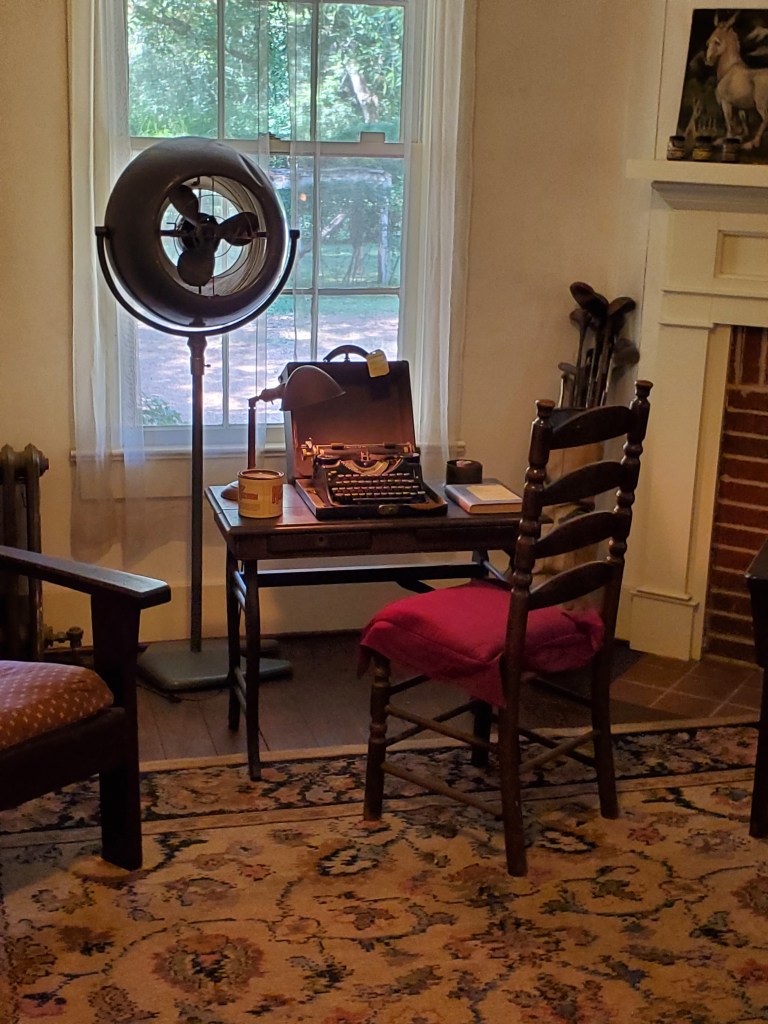
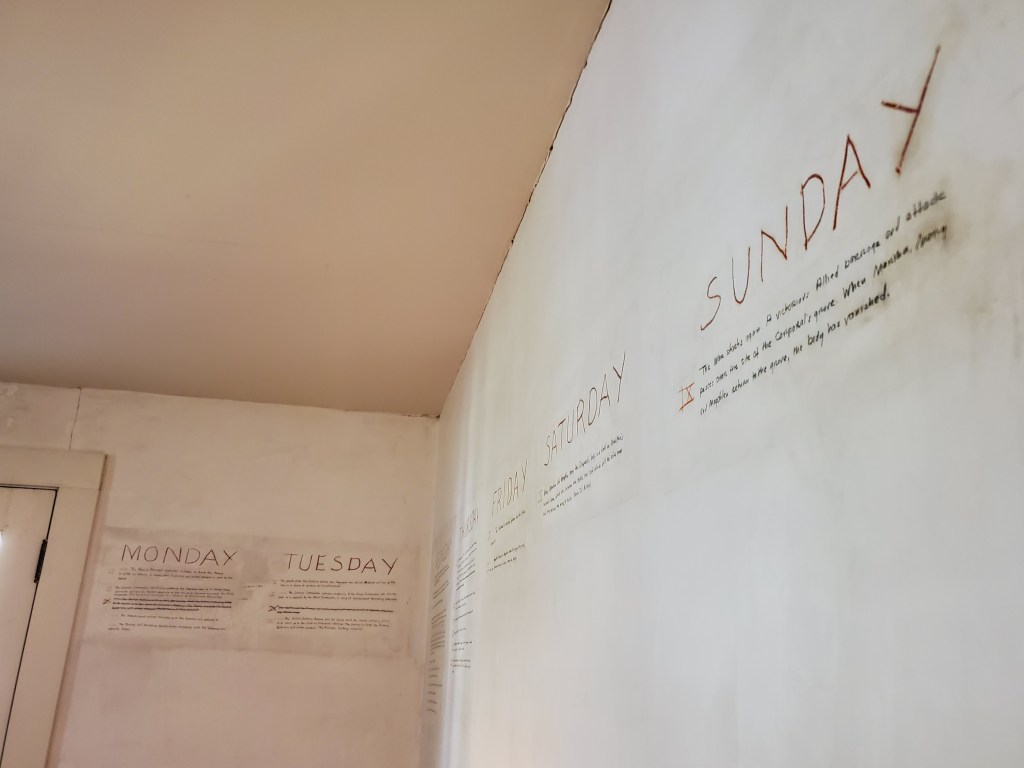
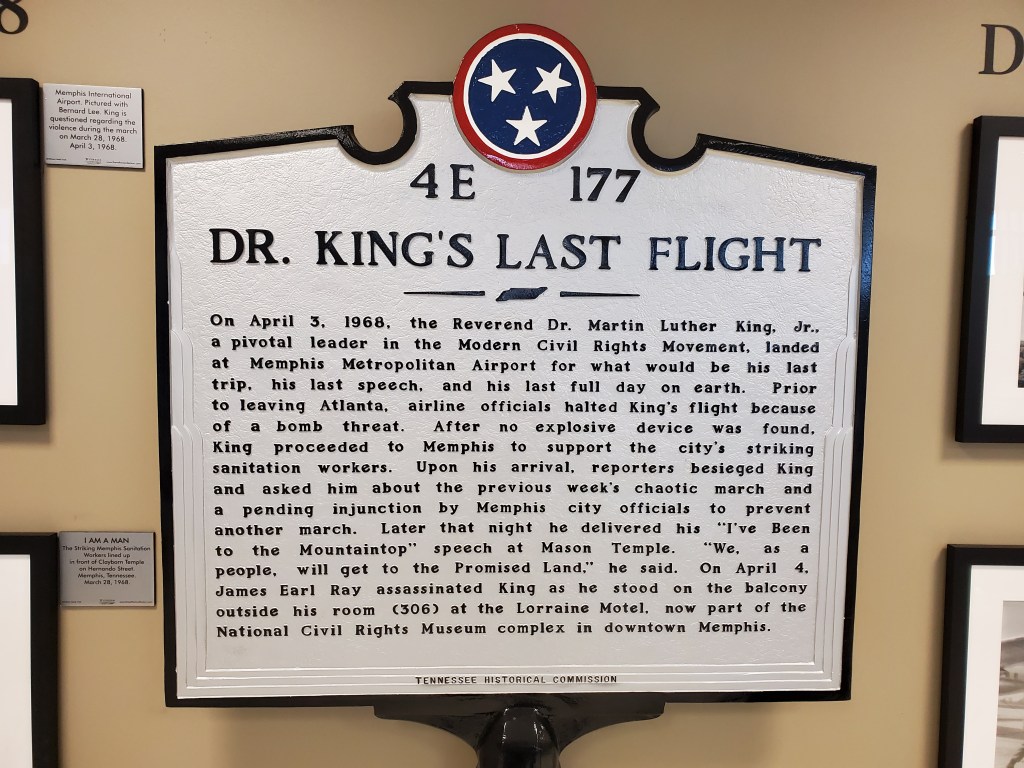
In between all the reminiscing, porch sitting, imbibing, conversing (never for a moment reaching for the next topic of conversation), we had fine visits to the Delta Blues Museum in Clarksdale MS, and, of course, to Rowan Oak, William Faulkner’s home, now on the National Register of Historic Places.


fried okra, collard greens, green beans, black-eyed peas, and cornbread
The long return to New England—a very late connecting flight at Midway, Chicago and being up early on that Monday to watch the Queen’s funeral procession–meant I arrived home early Tuesday morning, just a few hours shy of a full day’s wakefulness.
Wonderful trip, wonderful friends, who complicate and challenge as well as complement my understanding of who I once was and now am as I approach my 70th birthday. Our time together was in another country, but Bill Faulkner’s lines obtain:
“The past is never dead. It’s not even past. All of us labor in webs spun long before we were born, webs of heredity and environment, of desire and consequence, of history and eternity. Haunted by wrong turns and roads not taken, we pursue images perceived as new but whose providence dates to the dim dramas of childhood, which are themselves but ripples of consequence echoing down the generations. The quotidian demands of life distract from this resonance of images and events, but some of us feel it always.”
(Requiem for a Nun).


 Georgeann Murphy
Leave a reply to Finbarr (Barry) McCarthy (He) Cancel reply