4 June 2025
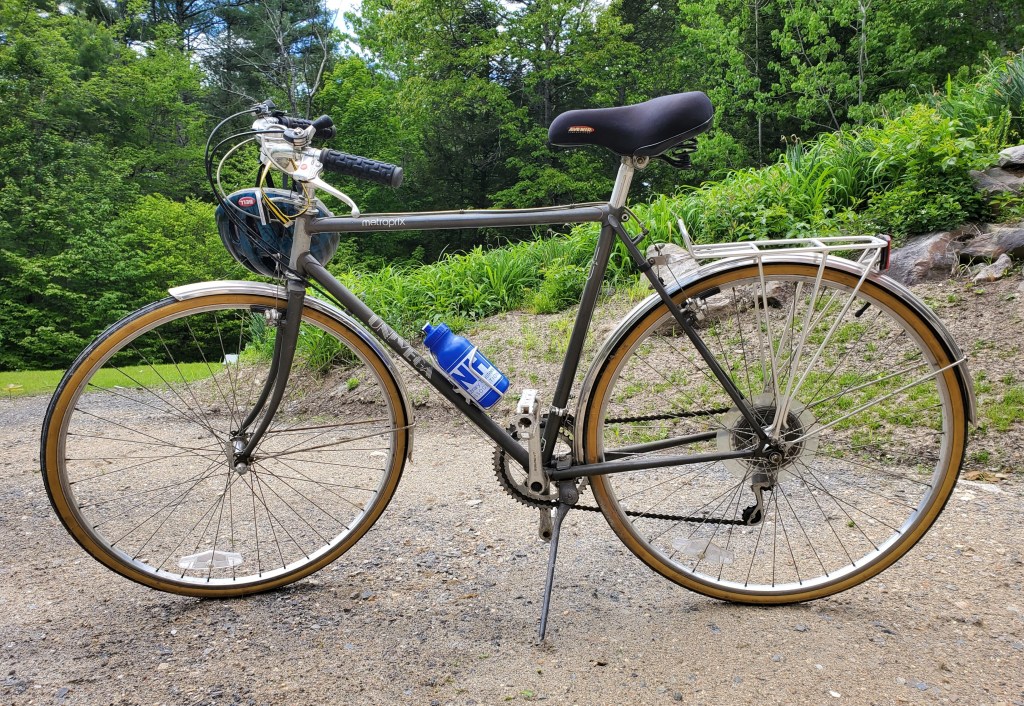
On this year’s designated Memorial Day, I rode my bike for the first time in I’m sure at least a year, enjoyed myself, and celebrated the fact that I did not fall off. The next day, I spoke with my former acting teacher, Pete, just after his 80th birthday, and he thanked me for sending him my Shakespeare book (and for acknowledging his contributions to same; he praised his copy as looking really good—even if you didn’t read it!). That night at the Portsmouth Library’s monthly Shakespeare discussion, I think I managed to contribute some worthwhile ideas and met three young former students of my UNH colleague Doug; all of them seemed pleased to meet me, and that felt good, too. Such small triumphs I balance against life’s absurdities: the Madbury tax assessor’s definition of a bathroom: 2 fixtures = a half bath; 3 fixtures = a bathroom. When I countered that one could not take a bath in our toilet room, which has a toilet, a bidet, and a sink, he countered with “What’s a bidet?” A bedroom, it turns out, only counts as a bedroom if it has a closet. Oy.
Basic communication seems increasingly problematic. I’m still trying to make sense of an email exchange I had with a local venue about an upcoming production in which (I think?) word choice led to an off-putting misunderstanding. And I’m not even counting the expense of time and frustration wasted when bots, phone answering systems, and online queuing land one in some infernal circle of futility. Thank goodness for the moderating influence of Nature going about her business unperturbed.

But then things took a turn for the worse: this dentist’s daughter was felled by an infected crack in her second molar, and the pain med prescribed to tide me over before the antibiotic kicked in left me alternately sleeping and throwing up for the next 24 hours. Sleep and fasting proved the only refuge from nausea until my poor body metabolized and voided the poison intended to help it. The upside: I lost three pounds overnight. The downside: I felt even less up to facing this year’s sad anniversary of my final day with my beloved husband. On 1 June 2019, he departed our home for the last time, eighteen years from the Memorial Day weekend when we first moved into our just-built house. A year later, 1 June 2020 marked my retirement from 43 years of teaching, an end requiring a new beginning of a different sort. And this year, 1 June marks my late sister Jane’s son’s 27th birthday. So much to feel in these Memorial Days.
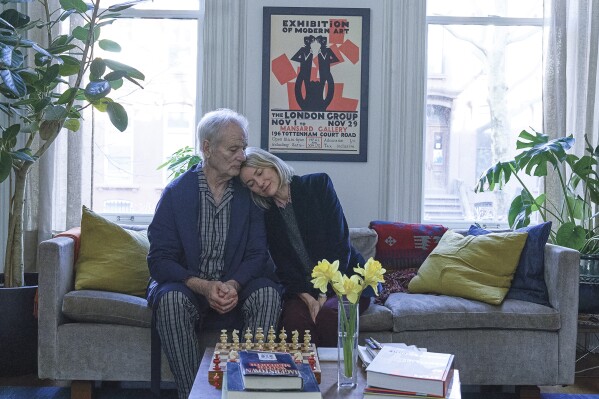
Being really sick, even for only a day, may have an ironically salutary upside, putting minor annoyances in perspective, however much they continue. As I struggled to clamber up the Slough of Despond’s slippery slope, I tried diverting myself with all the best tv and film I could find: the 2022 series Julia with its superb scripts and performances narrating the indomitable Ms. Child’s beginnings at WGBH; ALL of Mike Birbiglia’s comedy specials on Netflix; Naomi Watts, Bill Murray, and the uncannily talented Great Dane Bing in The Friend, a serious comedy about grief and what we owe each other; and the delightful if lightweight French rom com Jane Austen Wrecked My Life.
Happily, better help was at hand. I had a wise and compassionate letter from my dear Americanist friend Trish, offering Ben Franklin’s allegory of the “speckled Ax,” advice about carrying on despite difficulty “obtaining good, & breaking bad Habits”—like my inertia when facing the task of a thorough, liberating weeding of possessions I don’t need or want. “A speckled Ax is best” I understand to be Franklin’s and my friend’s version of “don’t let the perfect be the enemy of the good enough.” Sound advice. Even more helpful: having the kind of friend who knows when and what kind of canny advice to offer a friend in need.
Things ARE looking up. My husband’s older brother Reed, like David, is a gifted writer and a perceptive, loving soul. His consoling response to my sad letter was tonic in perceiving and acknowledging the magnitude of all I lost when David died—which ultimately, strangely celebrates what I have still, and can never lose. Like the song says, “They can’t take that away from me.” Good to have such a big brother.
A visit to the endodontist helped, too—and not just because she’s a good doctor (like said big brother). I’d not seen her for six years, when last the crack in that molar proved problematic. And yet she recalled the trip to India I took in December of 2019, my first Christmas without David. I suspect she keeps notes on her patients: atop her technical expertise and no-nonsense communication, Dr. Forbes is a most welcome reminder of the so important human connection in our so often inhumane era.
On the loss of such ties that bind, I was recently struck by self-described mild-mannered David Brooks’s recent NYT op ed about what has pushed him over the edge: Notre Dame political scientist Patrick Daneen’s Memorial Day essay in which he avers that regular soldiers fight not for ideas, abstractions, or ideals like natural rights, but instead fight only for their comrades in arms. Brooks points out that J. D. Vance concurs, quoting Vance’s acceptance speech at the Republican National Convention: “People will not fight for abstractions, but they will fight for their home.” Brooks sees such statements pointing to “the moral rot at the core of Trumpism, which every day disgraces our country, which we are proud of and love.”
I’m reminded of the one time my sweet dad, also a mild-mannered guy, confronted my then (unsuitable, though I hadn’t yet figured that out) boyfriend over the fact that he had hung his UNC-Chapel Hill diploma over the toilet. My dad had volunteered to fight in WWII, and though his bad heart kept him out of the Army then, he was later drafted as a medical officer when I was a toddler, and for two years proudly served his country as a Captain. A student of the Civil War and ardent admirer of “Mr. Lincoln,” my dad certainly believed in abstractions like the inherent value of education. He just as certainly believed in dedication to the self-evident truths that established these United States. Alas that they are no longer self evident.
Last Sunday, I was moved to witness dedication of another sort, the dedication of artists who’ve devoted their lives to making their audience understand, collectively and powerfully, what it is to be human. Boston Ballet’s production of Jean-Christophe Maillot’s Roméo et Juliette, staged by Noelani Pantastico, Bruno Roque, and Taisha Barton-Rowledge and danced to Prokofiev’s soaring score under conductor Mischa Santora’s direction, is heartbreakingly gorgeous, the narrative and scenic design pared down to make even more devastating that tale’s essential tragedy: humanity’s capacity for senseless hatred destroying its future in the form of two charming, brave, exquisitely beautiful young lovers. Maillot’s ballet tells Shakespeare’s story from Friar Laurence’s perspective, a cleric clearly tormented by Verona’s division, desperately seizing what he thinks may be a solution, and despairing when destiny intervenes. By some strange alchemy, the collective dedication and talent of all those artists—dancers, choreographers, designers, musicians—transformed tragedy into beauty and solace—even on the sixth anniversary of my beloved husband’s departure. Perhaps Keats’s Grecian urn is right: beauty is truth, truth beauty. The ballet’s truth seems to have set me free.
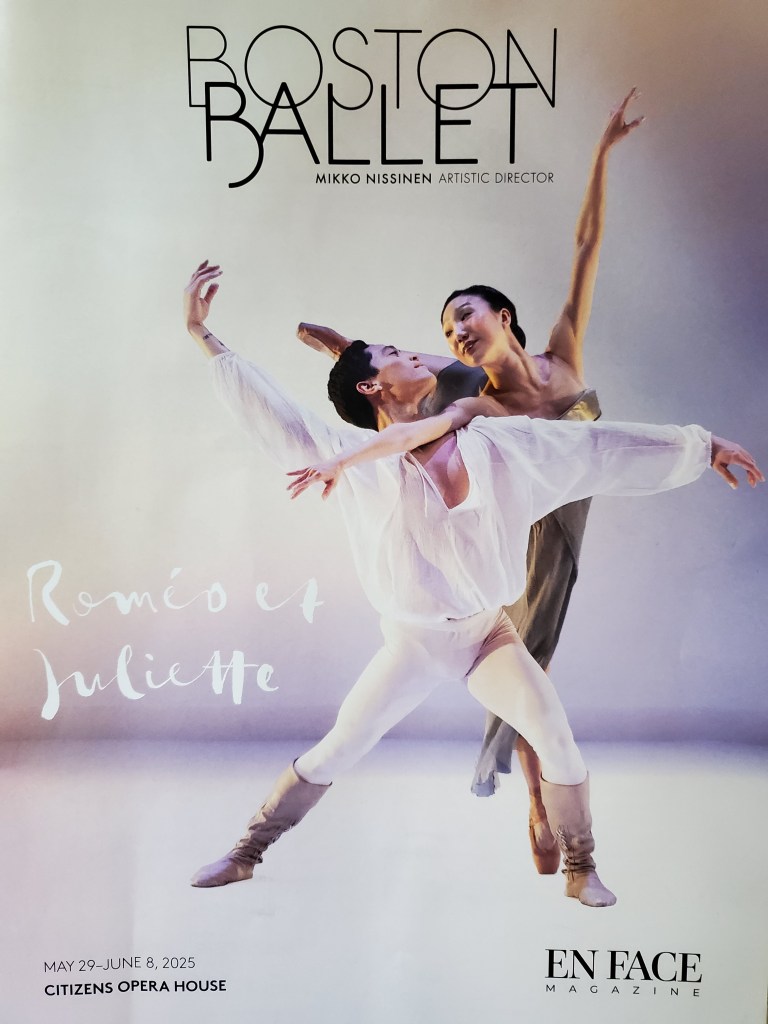

https://www.bostonballet.org/stories/romeo-et-juliette-preview/
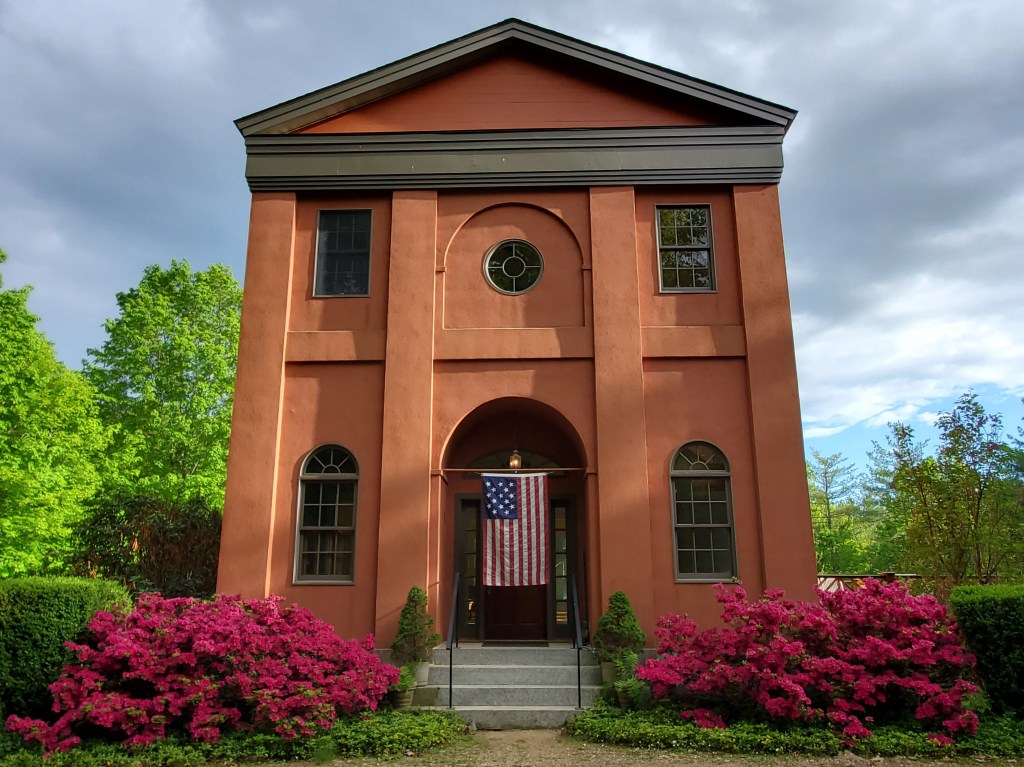
And now, the glorious azaleas have gone by, the rhododendrons and irises and beach roses commence their season. And me, I take up my speckled Ax, and get back to work. And back on the bike.
 Georgeann Murphy
Leave a comment