6 May 2025
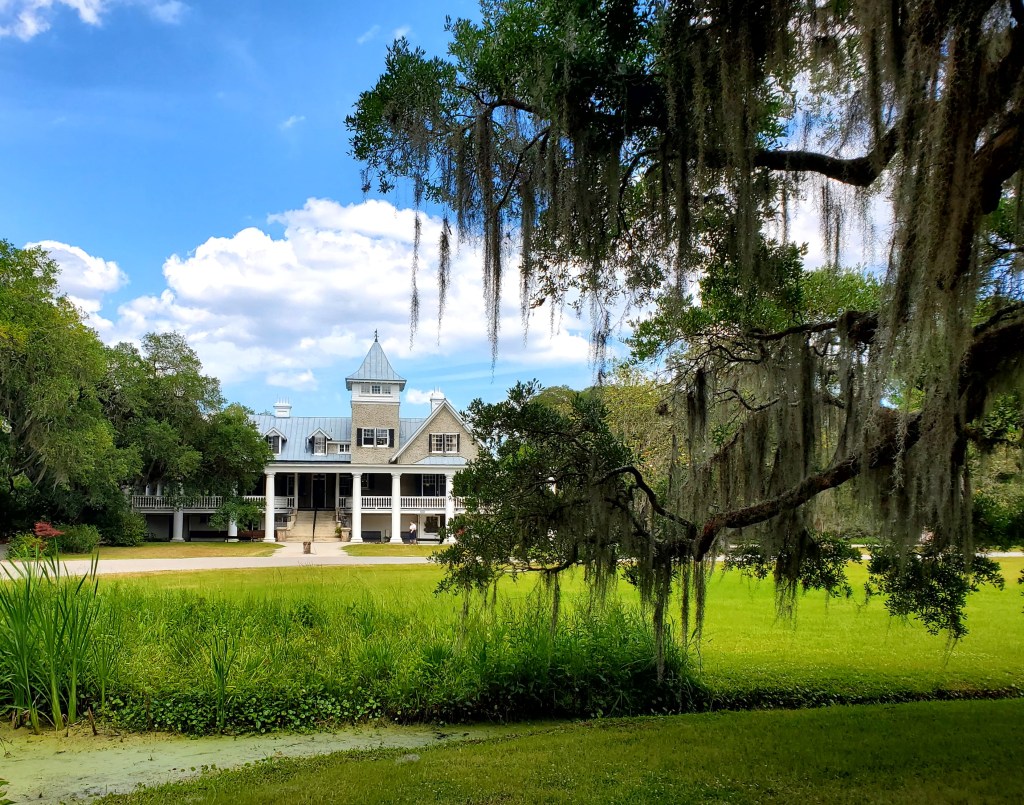
On our second full day in Charleston, we set out for Magnolia Plantation and Gardens, a 30-minute drive northwest from the Charleston Visitors Center to the 390 acres of the original 1,872 along the Ashley River. One of the oldest in the South, the plantation dates to 1679, when Thomas and Ann Drayton built the first small house and formal garden on the site. Some of the enslaved people forced to work in the house and construct the extensive earthworks of dams and dikes in the fields along the Ashley River to irrigate the land for rice cultivation were brought by the Draytons from Barbados in the 1670’s. Enslaved laborers also built the stately Drayton Hall (1738) on an adjoining property. Both the original Magnolia house and the second were destroyed by fire, the latter set by Union soldiers who spared nearby Drayton Hall only because smallpox quarantine flags flew there. The third plantation house (1873) still stands, and became known for its Romantic gardens after the Rev. John Grimké Drayton inherited the house from his elder brother in the 1840’s.
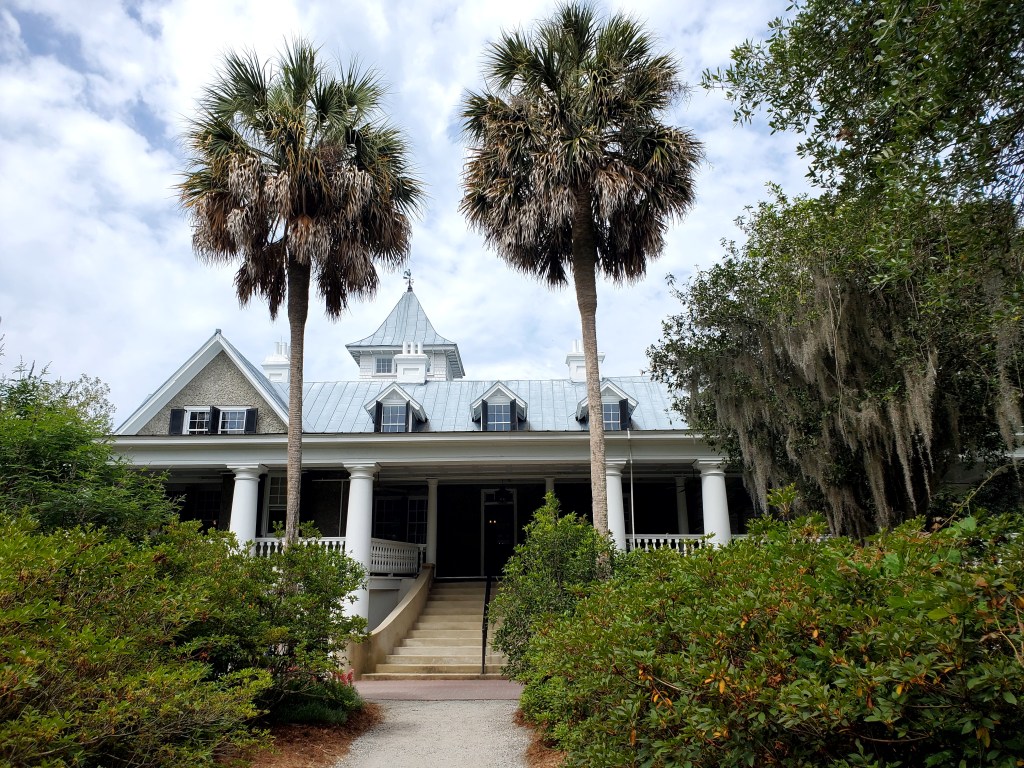

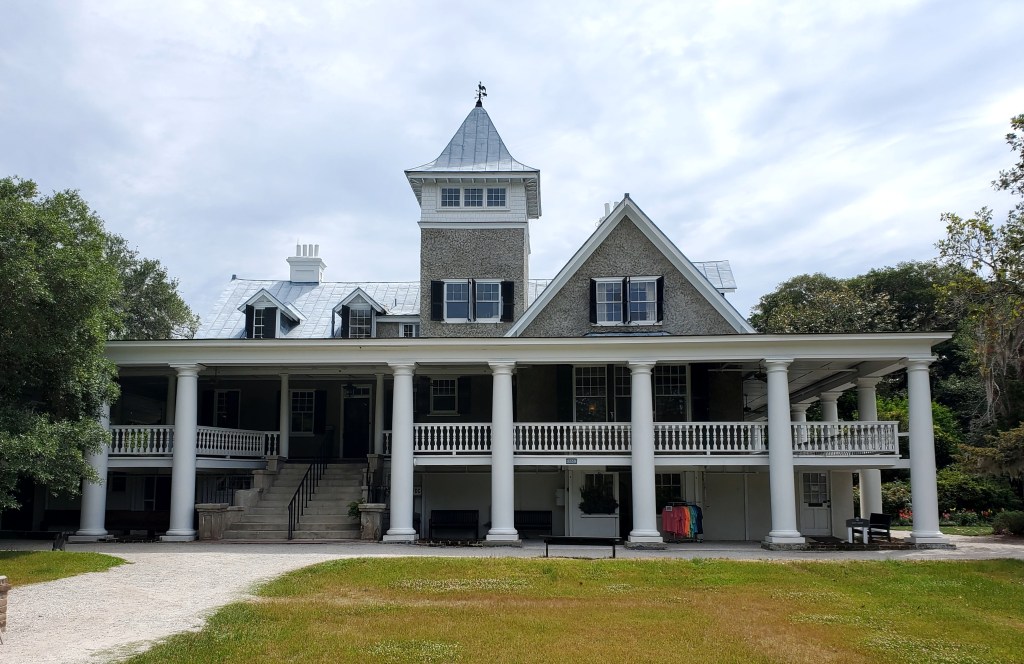
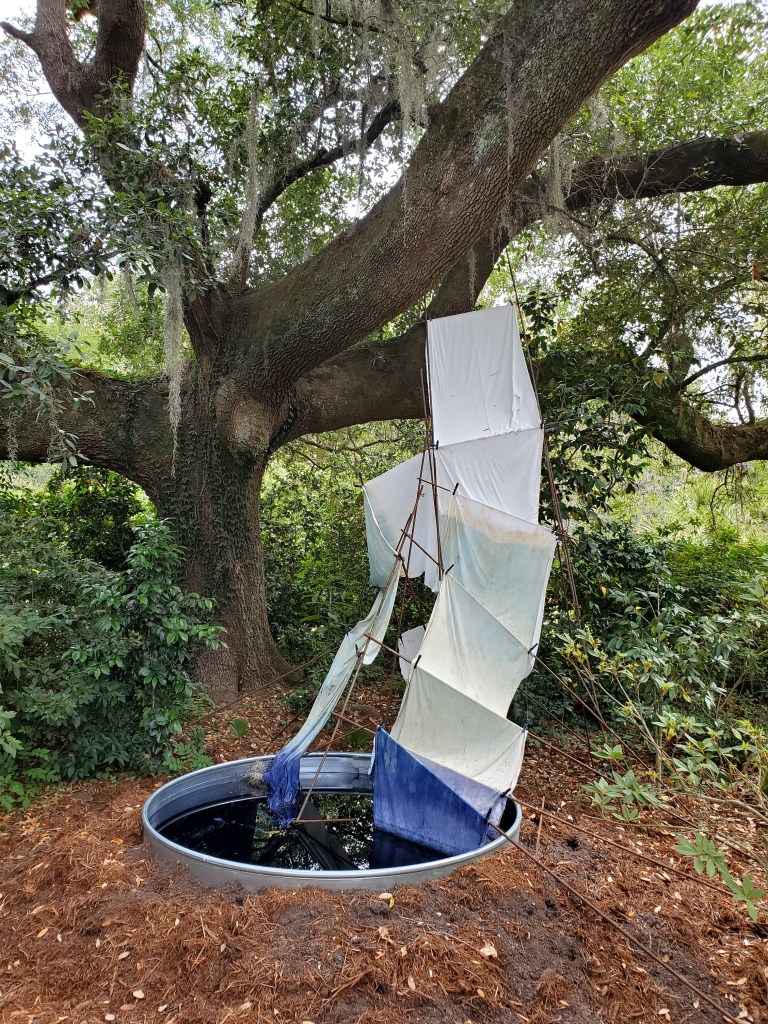
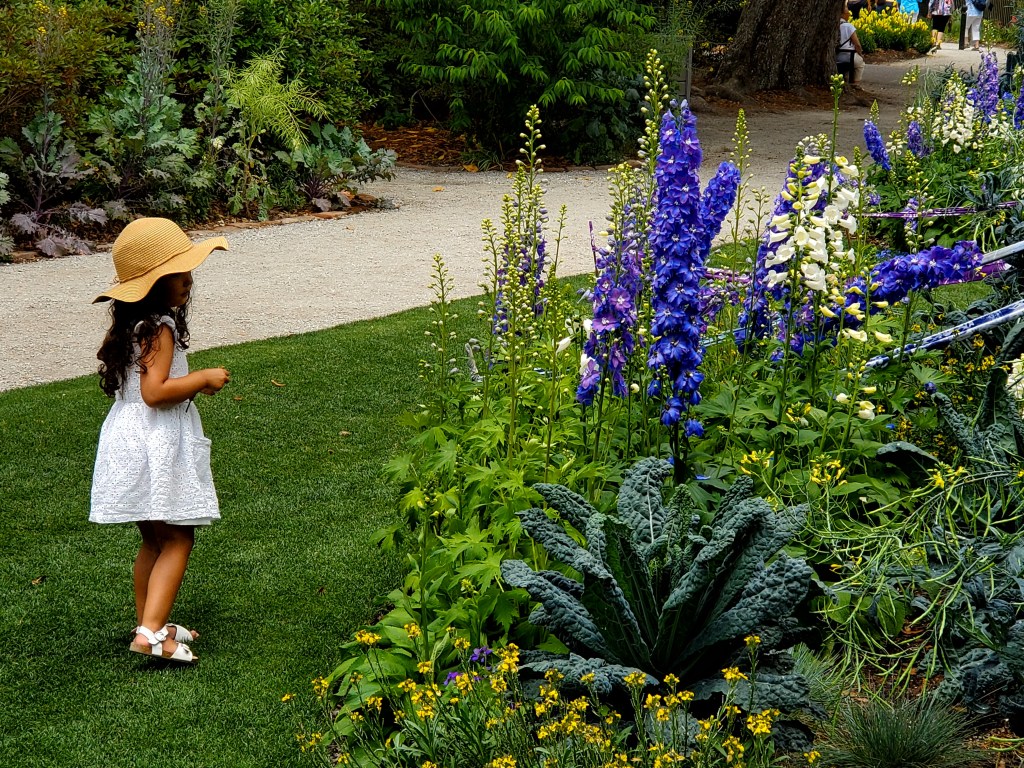
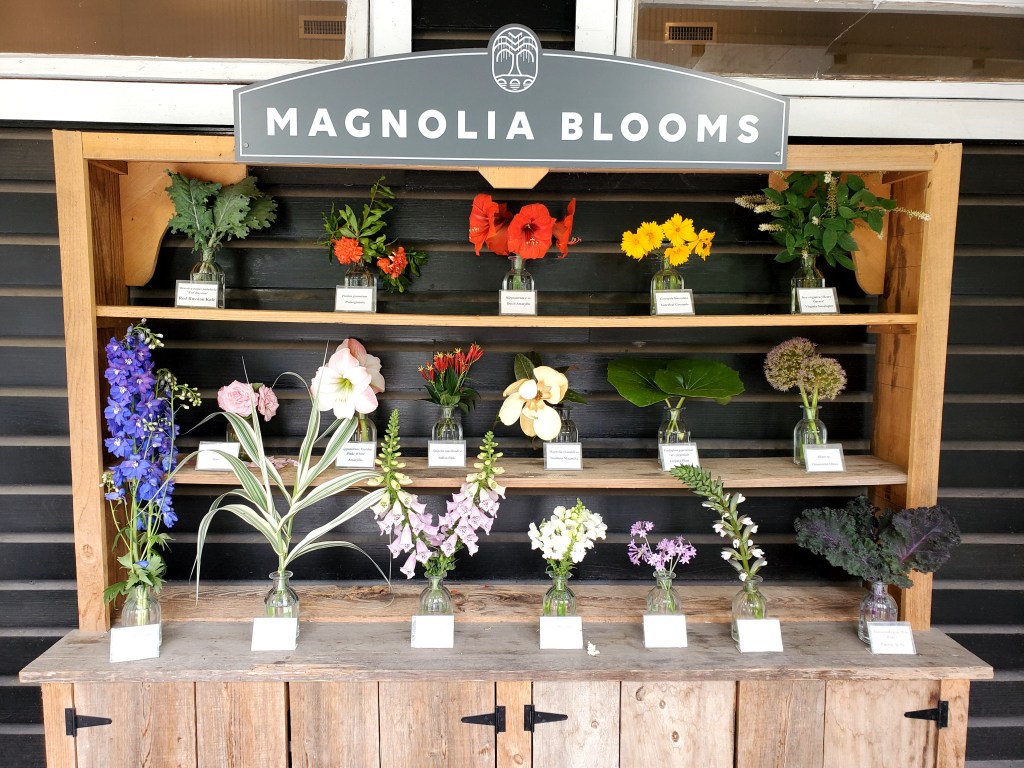
Designed, legend has it, to placate Drayton’s bride reluctant to leave her home in Philadelphia, the gardens currently grace 25 acres of the property, in addition to the 16 acres devoted to the wide allée of live oaks approaching the house and 150 acres for a marsh and water fowl conservancy.
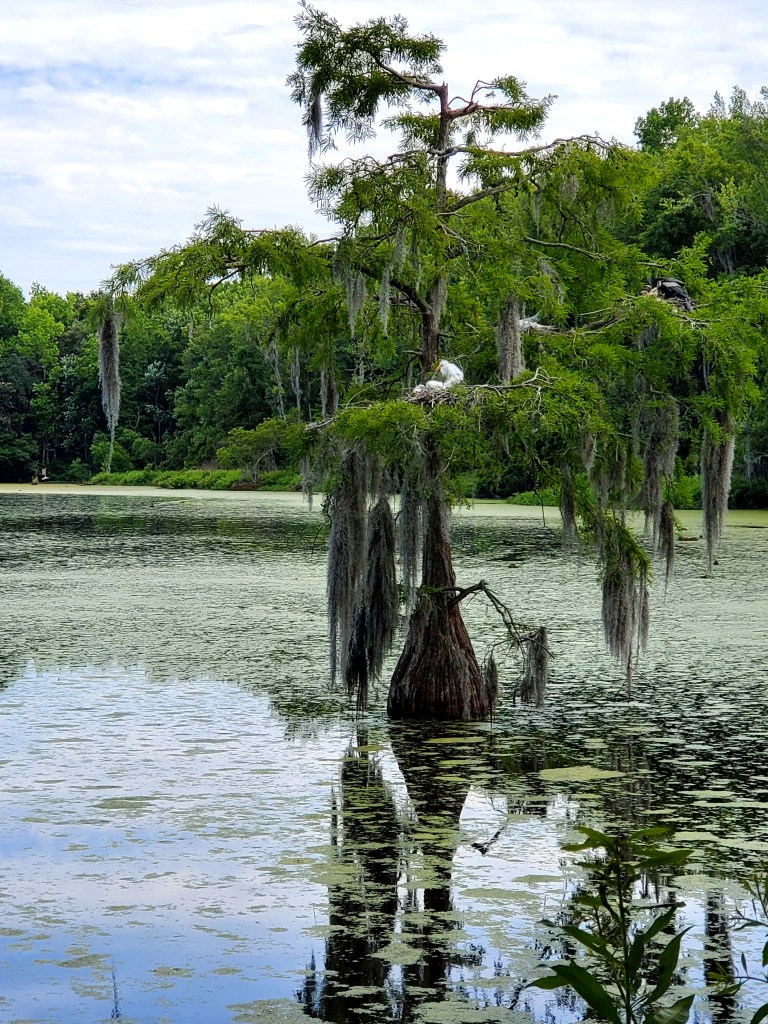
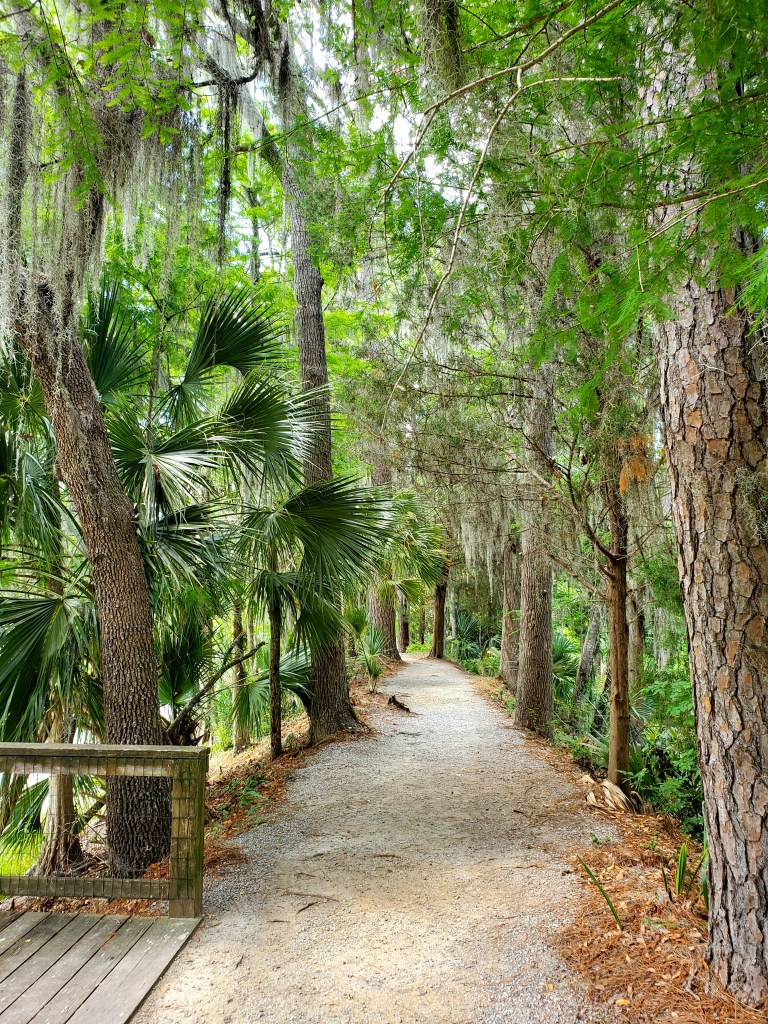
The Swamp Garden is named for James Audubon, who like Civil War photographer Matthew Brady, once visited Magnolia. Twentieth-century visitors included George Gershwin (who composed Porgy & Bess while staying in nearby Folly Beach), Henry Ford, and Eleanor Roosevelt; our guide was tickled to imagine Mrs. Roosevelt as a guest in a house that had no indoor plumbing.
The most impressive aspect of Magnolia today is, however, the “Slavery to Freedom Cabin Tour,” conducted by a passionate Irishman named John. Standing before a backdrop of the five cabins on site, four built before emancipation and the last around 1900, and clearly drawing on his own people’s inheritance of oppression, John evoked not only the visceral horrors of the Middle Passage, but the back-breaking, life-threatening work of planting and tending the rice fields of the master, as well as the brutal punishments meted out to enforce compliance with the overseers’ commands.
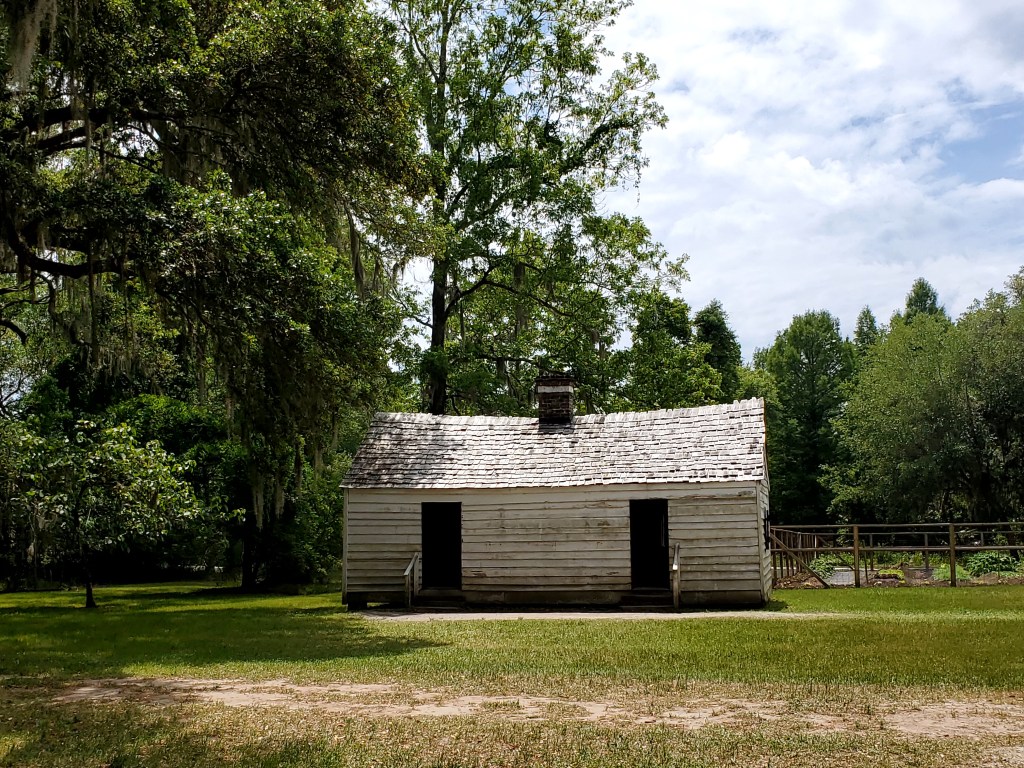
John spoke in the first person as one of the enslaved, then shifted to second person to further engage his rapt audience. He demonstrated the heel-drop-toe technique of planting rice, still used today in Uganda, as he learned from a native visitor.
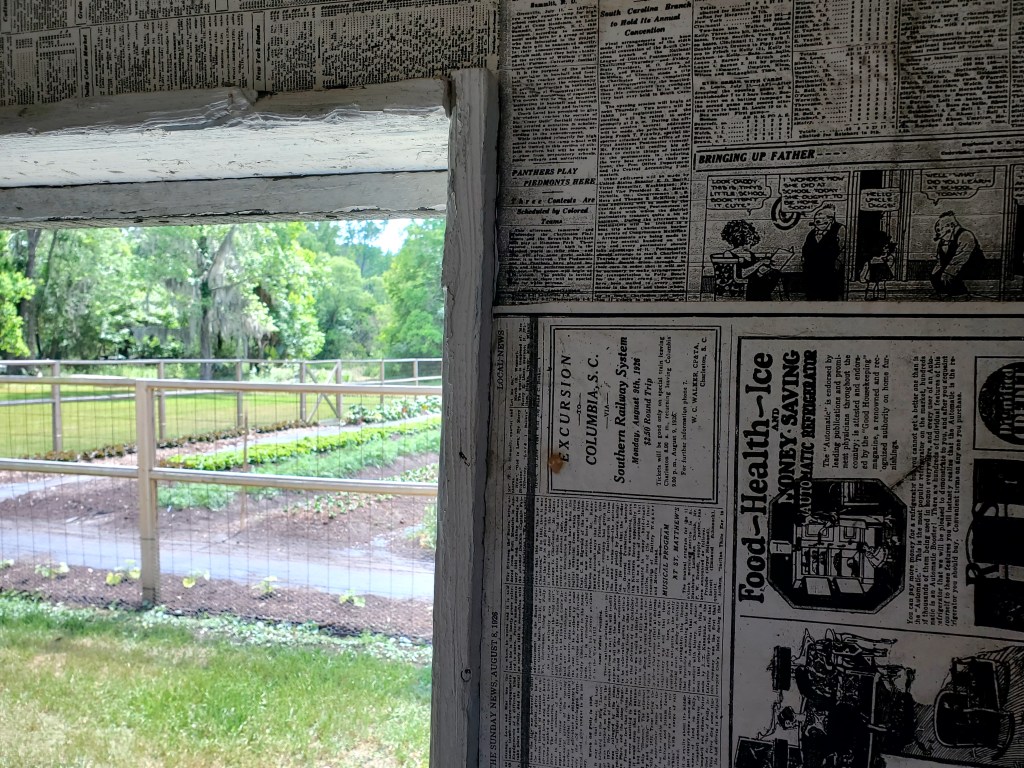
John told, too, of the Leach family, specifically Johnnie Leach, who lived with his family in one of the on-site slave cabins from the 1940’s until 1969. Magnolia’s master gardener, “Mr. Johnnie” later lived in a modern dwelling at Magnolia until his death at age 93 in 2016. His grandson Jackson Leach continues to work the gardens at Magnolia.
That John told the true history of Magnolia so vividly and memorably proved the most enduring takeaway from our trip.

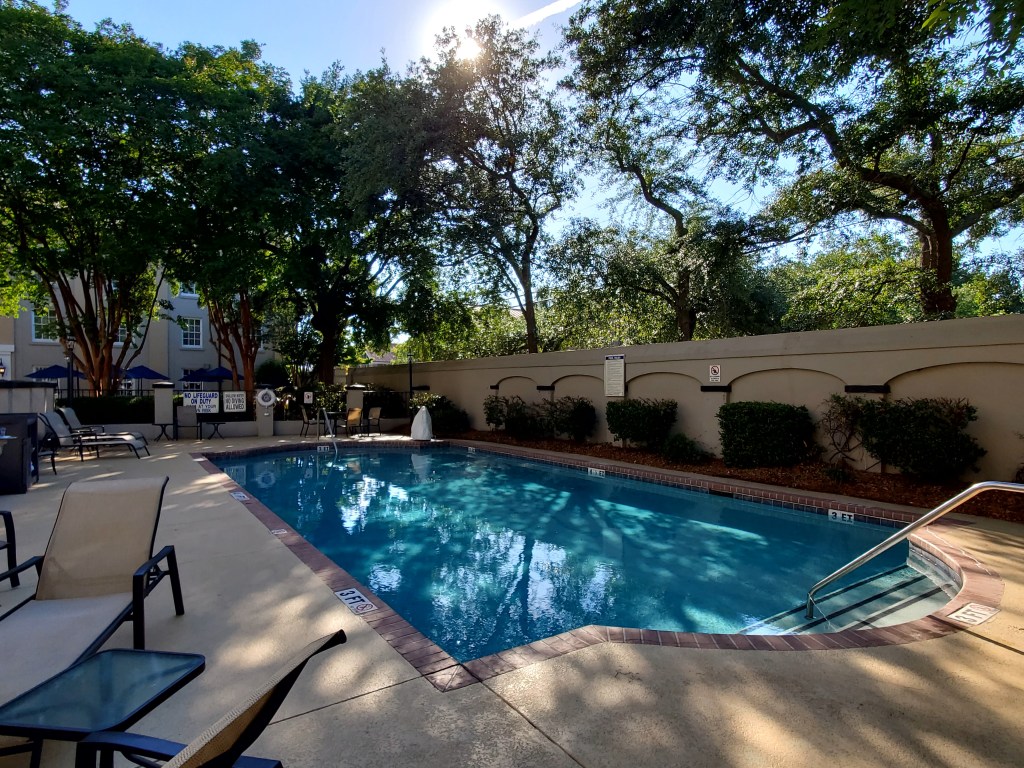
It took a dip in the inviting Hampton Inn pool to accomplish the transition to that evening’s entertainment: The Charleston RiverDogs vs. the Carolina Fireflies at “the Joe,” the Joseph P. Riley, Jr. ballpark further downstream on the Ashley River.
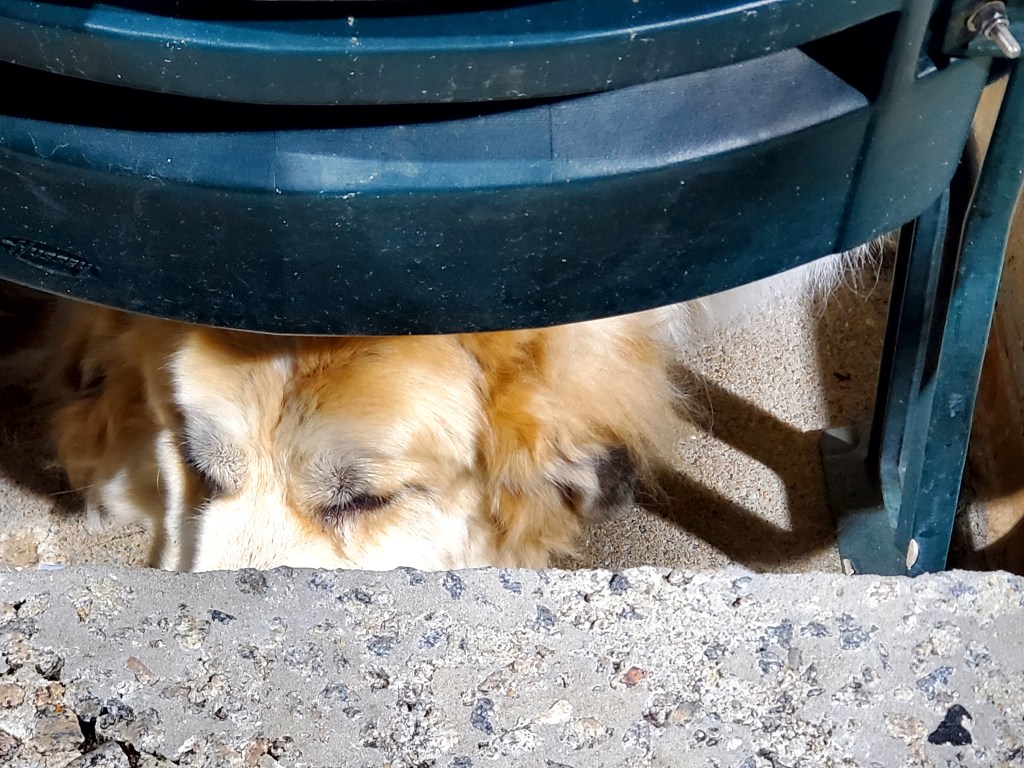
The RiverDogs, a Single-A affiliate of the Tampa Bay Rays, have Bill Murray as one of the principal owners, and every first and third Tuesday night is Dog Day, when all canines are invited to attend, granting even more fun to America’s pastime.
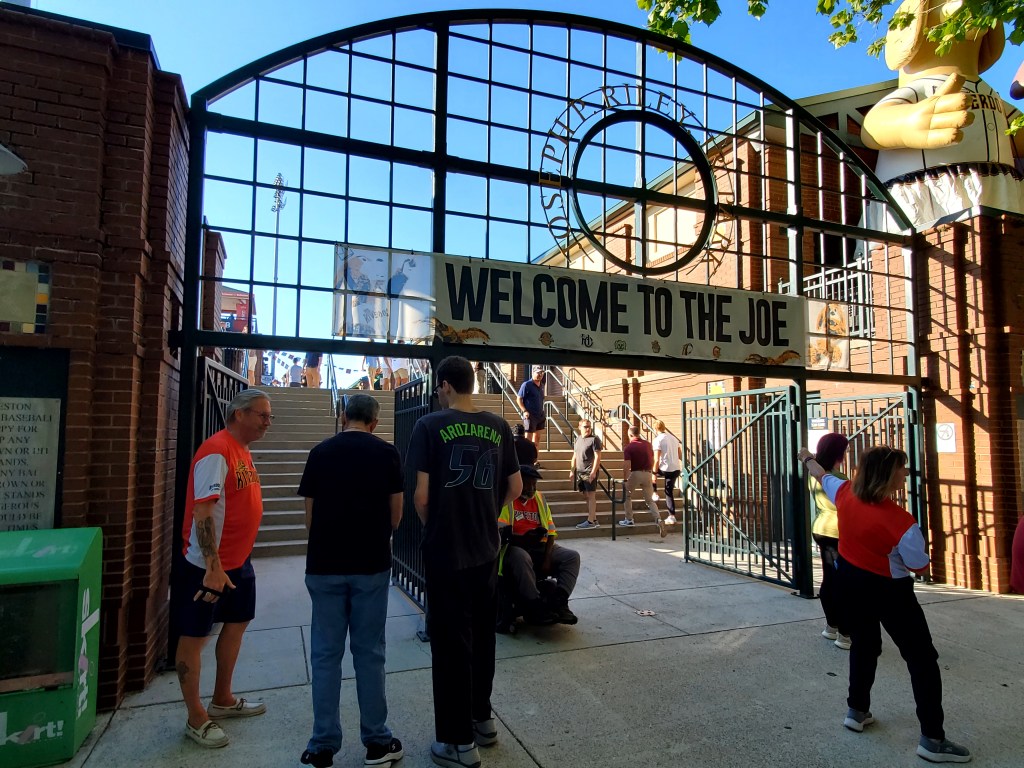

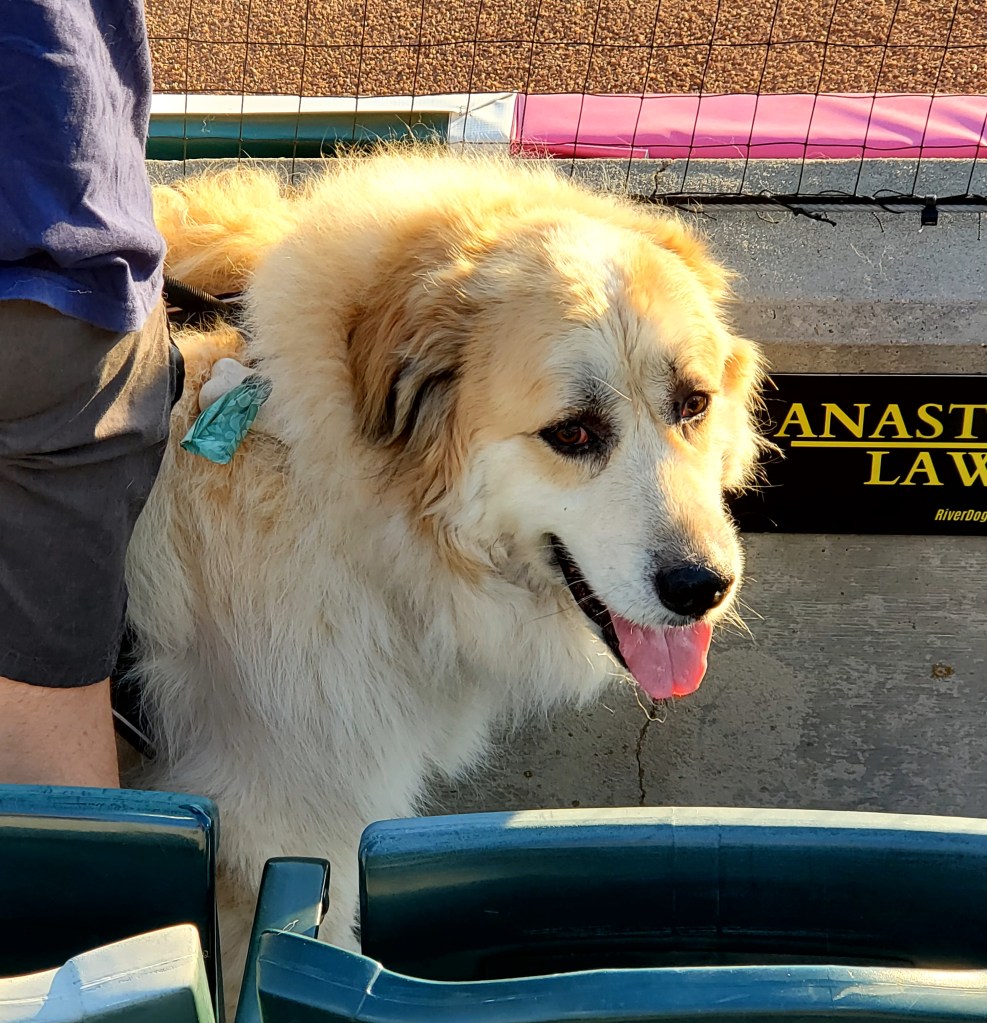
The night was fine, the RiverDogs won, we had catfish and local Overly Friendly beer for dinner, and retired back to our Hilton happy.
 Georgeann Murphy
Leave a comment