Sunday, 3 December 2023
A “Canyon Country” wall calendar hangs to my left as I type this. By December, the weight of eleven months past is redistributed from January’s heavy-on-the-bottom half of the calendar to the top half, where previously flipped pages one atop the other push on the last page turned until the nail holding it up rips through the small hole at the top. Yielding to gravity, what should be another spectacular photo from Utah’s Canyonlands looming above the grid of December dates falls back down, covering those dates and turning back the month to November. Progress forward would be impossible save for the inexpensive but remarkably effective stationery innovation of an earlier age: the reinforcement. Once requiring a lick to stick on notebook pages ripping from a three-ring binder but now “Permanent Self-Adhesive,” these small but mighty white lifesavers, suggesting both candy and nautical mishap, keep December visibly in place—if carefully applied. And so the new year approaches, just as inevitably prompting thoughts of auld lang syne and inexorable endings.
I’ve been thinking about reinforcements, time passing, and cadences, those moments of reflection briefly surfacing in the current of quotidian affairs, and the pleasure of bringing things to an organized pause. There’s the cadence following all the cleaning and preparation just before dinner party guests arrive when, with all in order, you await what’s next. And the moment when the flight attendant announces the doors are shut and you relax because you know what happens next is out of your hands. And then there’s that ultimate resolving cadence. Recently promoting her new book Stories of Women and Men on NPR’s Weekend Edition (11 Nov 2023), author Claire Keegan remarked on that final conclusion: “mortality does make sense of our lives; we all know that our time is finite, and someday there won’t be a full day or a full night to pass, and nobody knows when or where or why that will happen. So it’s an extraordinary thing that we go along as we do with this knowledge, this common knowledge.”
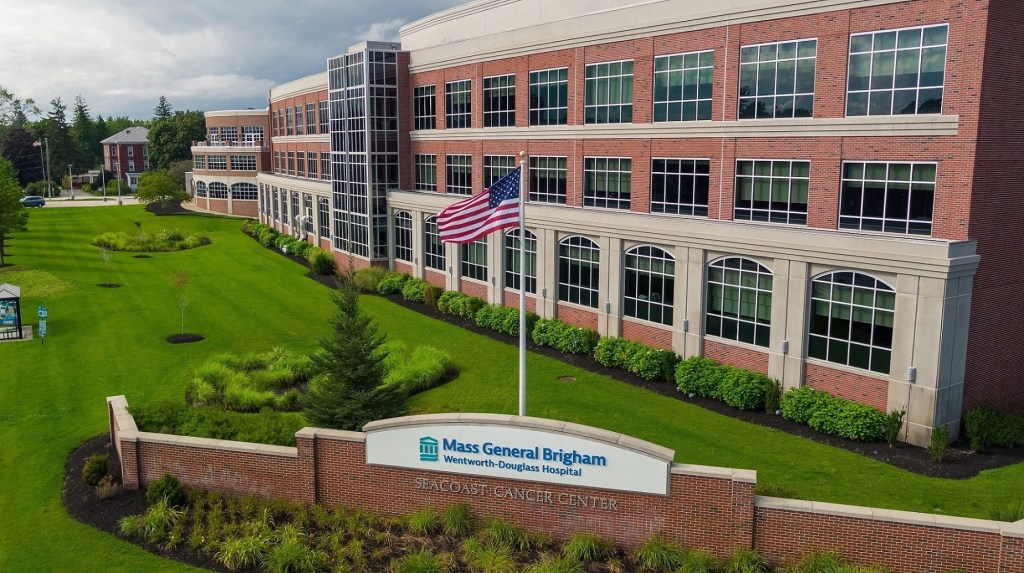
Nothing like a trip to the hospital to remind one of mortality. When I came up out of the Propofol-induced sleep following a much-deferred colonoscopy last Friday, I thought I was at home and the attending nurse had somehow, Star Trek-like, materialized from my computer. That confusion quickly dispersed, however, and I felt uncommonly rested and reset, certainly relieved the procedure (with its much worse prep), was done. I was purged, literally and metaphorically, and reinforced with a new lease on life—a phrase I somehow associate with a TV commercial from the past.
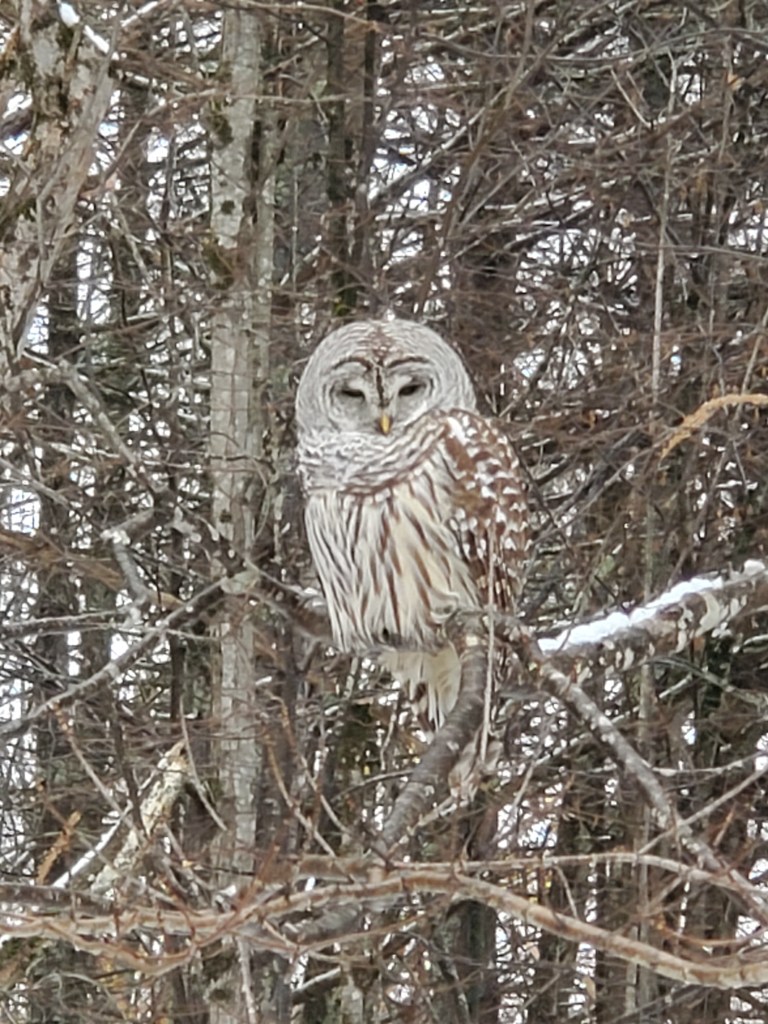
The path to this cadence had been less than enjoyable. After a rather miserable previous day of forcing fluids and being hungry (an ever-so-slight reminder of a chronic condition the less privileged suffer), followed by a night of intermittent waking and jet-propelled expulsions, the first thing I saw on parting the bedroom curtains at dawn was my resident barred owl, George, perched sleepily on a low branch of the fir opposite. As I’ve mentioned before, a barred owl’s “who cooks for you” cry in April 2002 had followed hard on my mother’s early morning phone call reporting news of my dad’s passing; all owls have been George ever since. So this glimpse of George I construed as a reinforcingly good omen as I faced a morning at the hospital.
And so it was. Contemporary medicine is extraordinary, and the endoscopy team at Wentworth-Douglass in Dover are a well-rehearsed cast of professionals, armed with expertise, empathy, and warmed blankets. My surgeon was a slight young woman named Sukeerti Kesar, and my anesthesiologist a handsome, quick-witted bearded man named Aamir Abbas, who posed the oft-repeated (because redundancy is standard operating procedure) question: did I have any metal in my body? When the attending nurse (Lucretia! Another good omen for a Shakespearean!) verified my two replacement hip joints, I quipped “I never leave home without ‘em.” To which Dr. Abbas added (to everyone’s delight): “You wouldn’t get far.” How very far medicine has come from the late 1950’s! My childhood tonsillectomy left me nauseated from the ether, throwing up blood on the white hospital ward sheets, and weakly calling with my sore throat for a nurse. How remarkable the current comfortable care and efficiency I was privileged to enjoy!
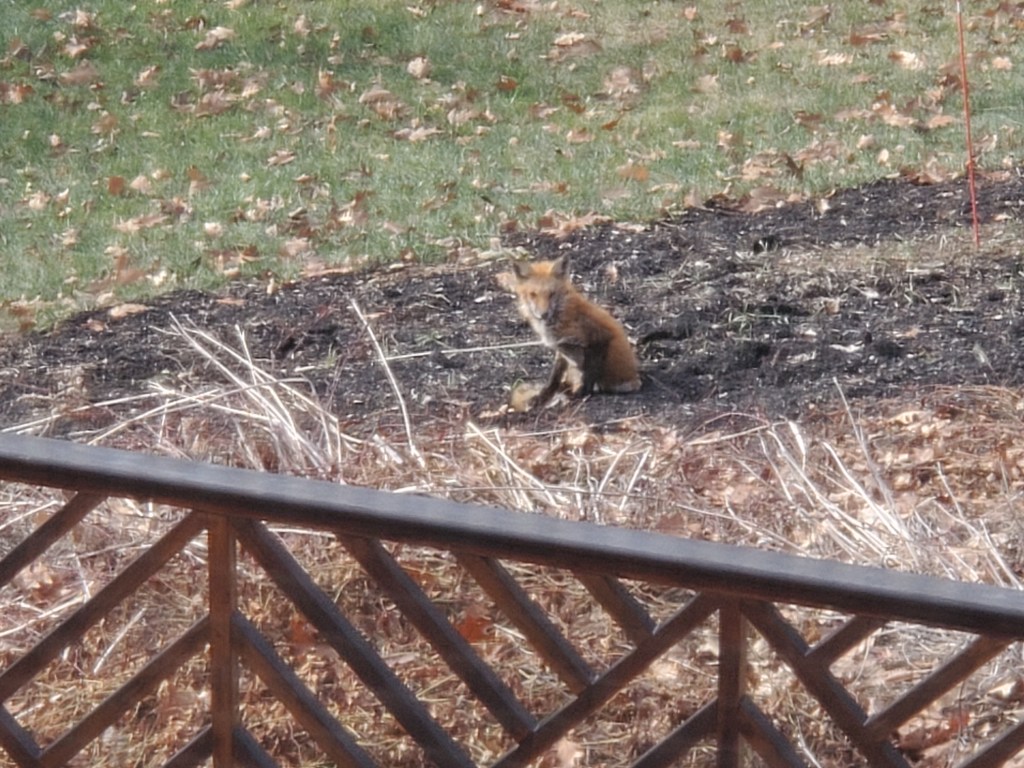
Having generously driven me to the hospital and kept me company while awaiting the Main Event, my friend Jennifer then drove me home, where I went back to bed. An hour later, rising once again to peer out the window, I saw an oval of red fir in the mulched west-facing flower bed. Grabbing the binoculars I keep handy on the sill, I saw the red fir stir and reveal a fox was napping there, its bushy tail wrapped around its body. I opened the window ever so quietly to get a photo, and took several shots with my phone before my toe bumped the baseboard heater cover and made enough noise to prompt the fox to look my way, stand, stretch, and head for the woods at a leisurely trot.
How remarkable, having this totem animal of my mother Virginia, long ago nicknamed the Fox because of her penetrating gaze and uncanny ability to see through any ruse her children might construct to fool her, visit on the same day as my dad George’s owl and my hospital visit. Surely this was more reinforcement that all was well, at least where I was concerned. Three hours from arrival to departure from the hospital, I was back home, where a detailed account of the procedure, complete with photographs (!!) was already waiting for me in the Mass General portal. And on reflection, having Drs. Sukeerti Kesar and Aamir Abbas coordinate my care made me a bit less pessimistic about the capacity of differing ethnicities to share space and work together for a common compassionate good.
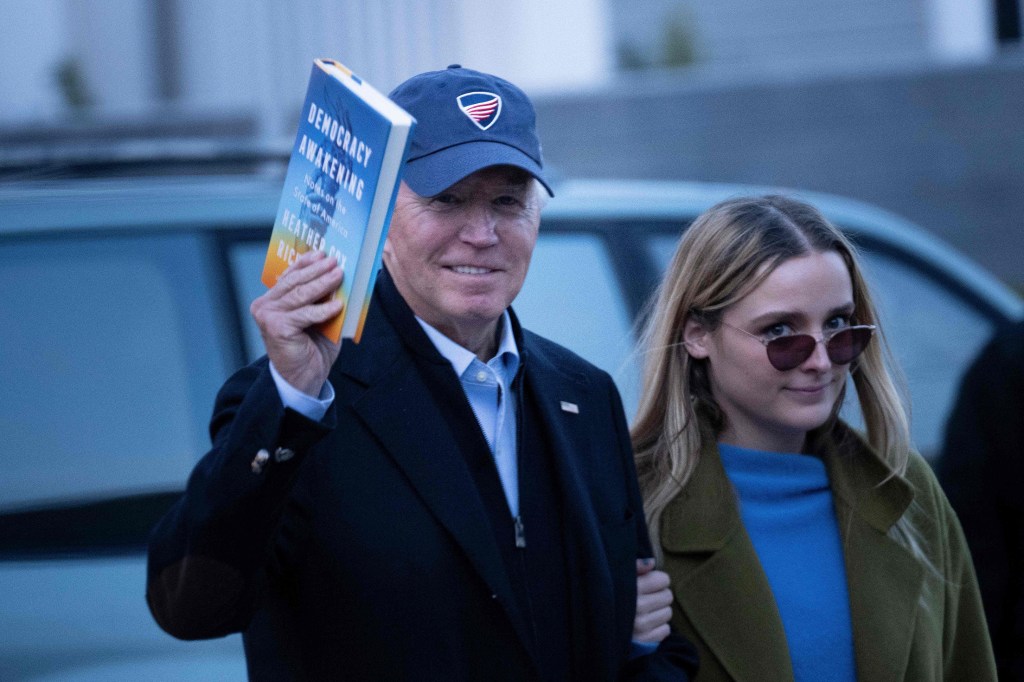
The balm of optimism continued to soothe as I went downstairs to cook a late Friday morning breakfast, grateful for my first solid food since Wednesday night, only to have my elevated spirits reinforced by Heather Cox Richardson, currently America’s most-read historian, being interviewed on Boston Public Radio by Jim Braude and Margery Eagan. Again expounding on her book Democracy Awakening’s themes of “how democracies can be destroyed by an authoritarian through the specific use of language and a false history, . . . how one turns the destruction of democracy into an authoritarian movement, and then, . . . crucially, how you can recapture language and history to re-establish a democracy” (HCR on BPR, 1 Dec 2023), Prof. Richardson reminds her vast audience of authoritarian challenges in the 1860’s and 1890’s when citizens nevertheless reached back to our democracy’s “true history,” the Founder’s belief, however aspirational, that in a democracy everyone has equal treatment before the law and a say in government. Listen to https://www.npr.org/podcasts/517752705/boston-public-radio to hear HCR’s account of how the 1880’s election of Garfield rebuked the Democrats’ then-racist Southern wing in favor of concentration on civil rights and eventually led to the election of FDR. Get, as self-proclaimed eternal pessimist and BPR host Jim Braude calls it, “a Garfield high.” Another reinforcement.
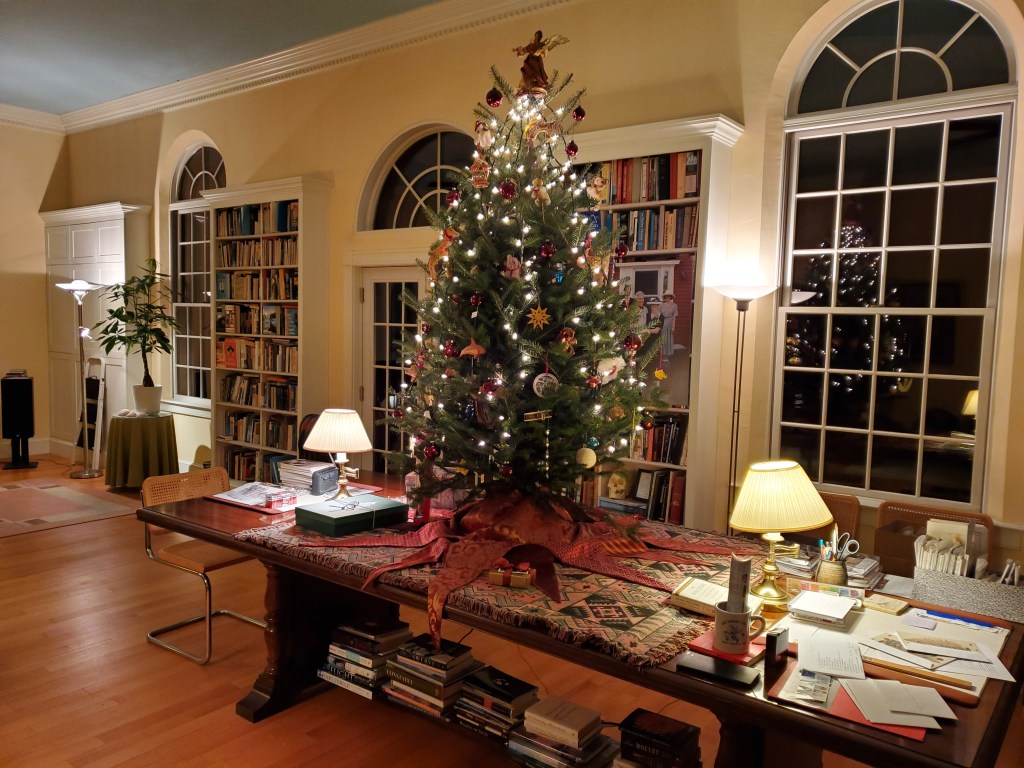
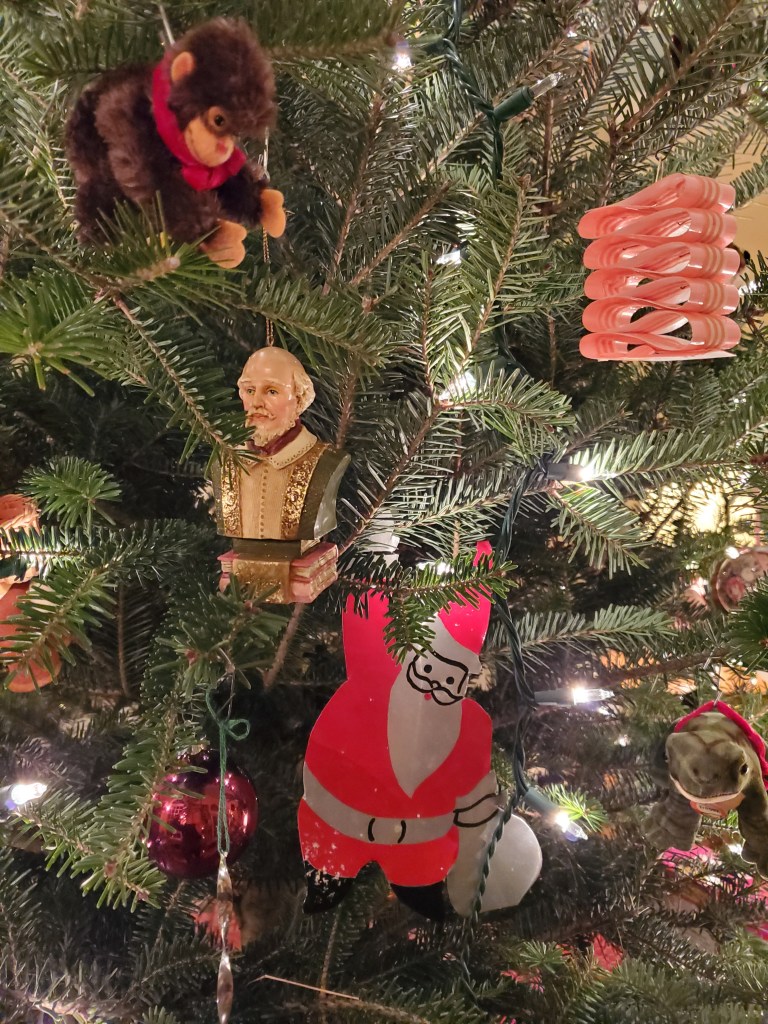
The rest of my post-op Friday was devoted to trimming my small table-top tree, each ornament a link to a happy time past.
After a good night’s rest and another fine breakfast, Saturday brought a run to a crowded Trader Joe’s filled with good-humored holiday shoppers; encouraging that atmosphere however busy the store seems a trademark policy effected by upbeat associates.
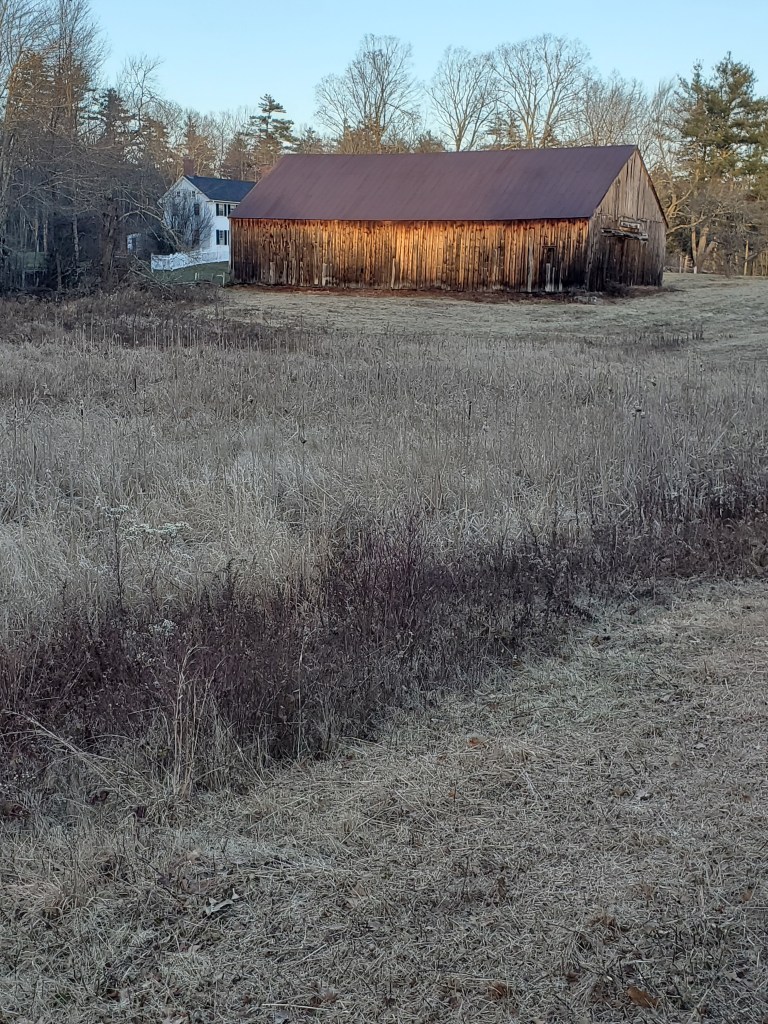
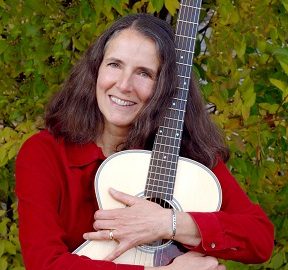
Then came a walk up and down Hayes Road on an uncommonly warm December day, followed by my evening’s introduction to the exceptional talent of Seacoast singer/guitarist Susie Burke and the fine musicians completing her trio, Kent Allyn and Steve Rob at the Durham United Universalist Fellowship. The set was a remarkable hybrid of witty holiday music, both comic and poignant, and folk favorites, including some terrible puns and Allyn’s hilarious Jimi Hendrix/Vince Guaraldi wa-wa reverb mash-up of “Christmas Time is Here.” Obviously deeply grieving the loss of her partner David Surette in December 2021, Burke’s performance frequently evoked her David’s presence by name, his music, and a performance by one of his students. The Gemütlichkeit in the wood-warm round of the church’s community room was palpable in the audience’s ready, easy, and occasionally funny response to the familiar and so-talented performers. My hosts Ed and Maria secured the good feeling afterward with a delicate peach galette and some superior Vin Santo. Another reinforcingly good day.
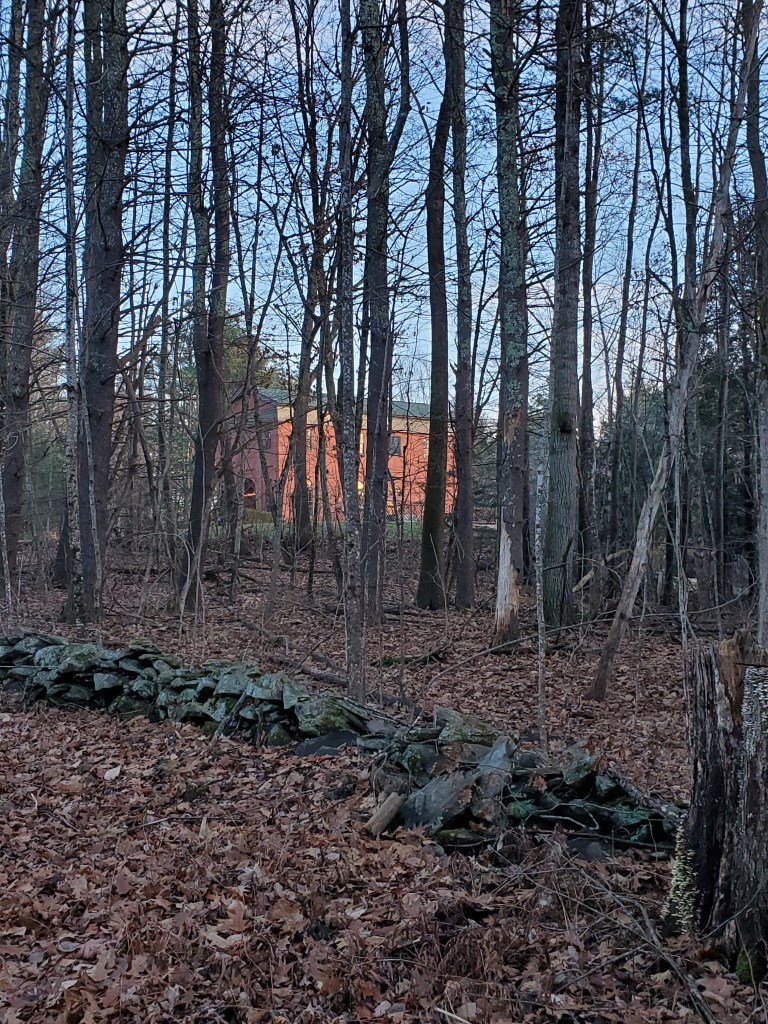
So. Time passes and so do we. But there are reinforcements along the way—mementos of joys past, happily anticipated meetings, and visitations—and not just from the local wildlife. The day after a fine Thanksgiving dinner with my neighbors, my 5-year-old friend next door walked through the woods between our homes to personally deliver a letter to me, stamped and sweetly addressed not to me, the recipient, but to the bearer who is just learning his alphabet. (Good choice, my wee lad, as I quite vividly recall the difficulty of spelling GEORGEANN.)

This message of joy hand-delivered by my youngest friend makes my heart sing. As did Susie Burke last night, singing “we only have now.” Why waste it?
For now can be wonderful. And sometimes, with reinforcements, quite enough.
 Georgeann Murphy
Leave a comment